Author: Fly-wings

  • Bali Tour Package from India: The Complete Zone-by-Zone Guide (Ubud, Seminyak, Uluwatu, Nusa Penida) — 2026

    Bali Tour Package from India: The Complete Zone-by-Zone Guide (Ubud, Seminyak, Uluwatu, Nusa Penida) — 2026

    Ask five different travellers what makes a great Bali trip and you’ll get five different answers — because Bali isn’t one destination, it’s four or five very different ones squeezed onto a single island. Jungle mornings in Ubud feel nothing like beach-club sunsets in Seminyak, and both feel nothing like the cliff-edge drama of Uluwatu. Most Bali disappointments we hear about at our Mohali desk trace back to one mistake: picking one hotel and trying to see everything from it. This guide plans your Bali tour package from India the way it should be planned — zone by zone — so you actually get the version of Bali you came for. At Flywings Tour & Packages Pvt Ltd, we’ve been building these itineraries since 2013, and this is the exact framework our desk uses with every Bali client.

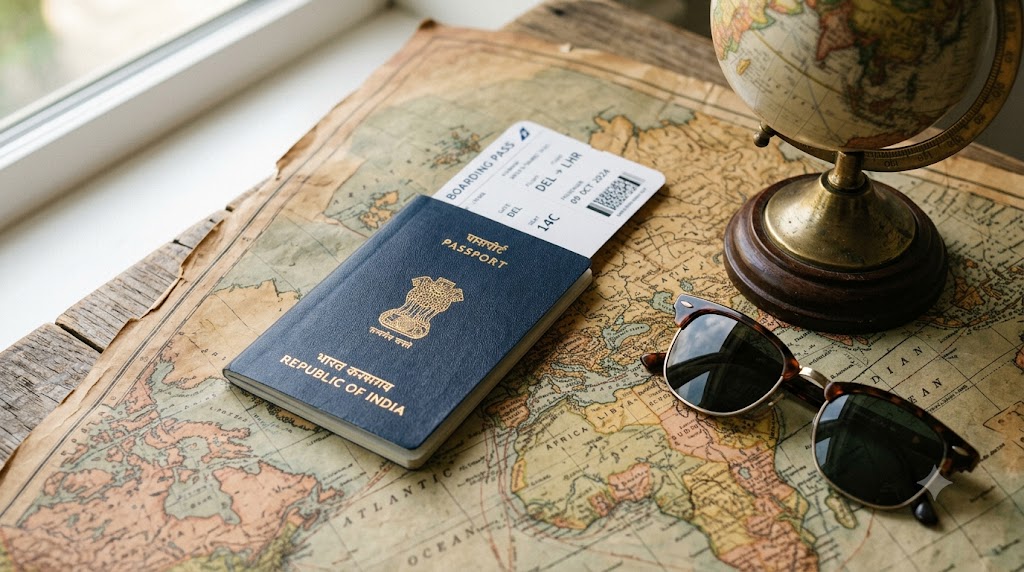
    Quick facts before you plan: Bali is visa-on-arrival for Indian passport holders, valid up to 30 days. Flight time from India runs roughly 8–9 hours via Delhi or Kuala Lumpur, with no direct India–Bali route. The best months are April–October (dry season); November–March is Bali’s monsoon. Most first-time trips run 6–7 days across two or three zones.

    Why Zones, Not Days, Should Drive Your Bali Plan

    Bali’s traffic is famously slow, and its best areas are genuinely different in character — so hopping back and forth between Ubud and Seminyak every day wastes hours you’d rather spend at a rice terrace or a beach club. The smarter approach, and the one every good Bali itinerary uses, is to base yourself in each zone for two to three nights and let the sightseeing radiate outward from wherever you’re staying. Below is every zone worth knowing, what it’s actually like, and who it suits.

    Zone 1: Ubud — Jungle, Rice Terraces and Slow Mornings

    Ubud is Bali’s cultural and spiritual heart, set inland among rice terraces and dense jungle rather than on the coast. It’s the Bali of private pool villas with a jungle view, sunrise yoga, and mornings that start slow.

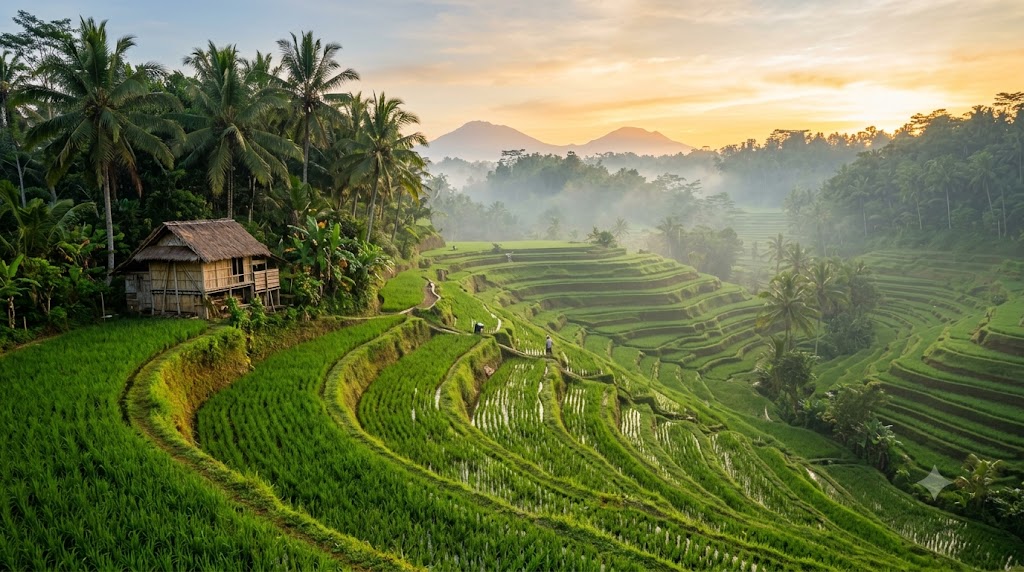
    • Tegalalang Rice Terraces: the postcard shot of Bali — layered emerald paddy fields best visited early morning before tour groups arrive.
    • Sacred Monkey Forest Sanctuary: a jungle temple complex home to hundreds of long-tailed macaques — genuinely fun, but keep sunglasses and loose items secured.
    • Tirta Empul Temple: a working Hindu water temple where locals and visitors alike take part in a purification ritual under the spring-fed pools.
    • Campuhan Ridge Walk: an easy, scenic morning walk along a grassy ridge — a favourite for travellers wanting nature without a big excursion.
    • Ubud’s café and wellness scene: the origin of Bali’s “healthy café” reputation — smoothie bowls, yoga studios, and spas built into jungle settings.

    Stay here if: you want the classic private-pool-villa Bali experience, are travelling for a honeymoon or a wellness-focused trip, or simply want two slow, green days before the coast.

    Zone 2: Seminyak — Beach Clubs, Shopping and Sunset Culture

    Seminyak is Bali’s polished beach-and-lifestyle zone — wide sandy beaches, sophisticated beach clubs, boutique shopping, and some of the island’s best restaurants, all built around the ritual of watching the sunset with a drink in hand.

    • Beach clubs: daybeds, infinity pools facing the ocean, and a full day’s entertainment built around sunset — the quintessential Seminyak afternoon.
    • Seminyak Beach itself: wide, walkable, and lined with warungs (local eateries) serving fresh seafood as the sun goes down.
    • Boutique shopping on Jalan Kayu Aya (Eat Street): Balinese design boutiques, jewellery and homeware alongside excellent cafés.
    • Fine dining: Seminyak punches well above its weight for restaurants, from beachfront fine dining to hidden speakeasy-style bars.

    Stay here if: you want a more polished, resort-and-restaurant Bali, are travelling as a couple or with friends, or want easy beach access without Uluwatu’s dramatic (and less swimmable) cliffs.

    Zone 3: Uluwatu — Clifftop Drama and Surf Culture

    Uluwatu occupies Bali’s southern peninsula, where the island’s coastline turns into sheer limestone cliffs dropping straight into the Indian Ocean. It’s the most visually dramatic part of Bali, and increasingly one of its most fashionable.

    • Uluwatu Temple: perched directly on a cliff edge, with a sunset Kecak fire dance performance that’s become a Bali must-do.
    • Clifftop beach clubs: Uluwatu’s newer beach clubs are built directly into the cliffside, with infinity pools that appear to merge with the ocean below.
    • Surf beaches: Padang Padang, Bingin and Uluwatu itself are among Southeast Asia’s best-known surf breaks, with beginner lessons widely available.
    • Hidden coves: a short walk or scooter ride finds small, dramatic beaches accessible only by narrow cliff staircases.

    Uluwatu Temple perched on a dramatic clifftop above crashing waves at sunset — Bali Uluwatu zone guide
    Uluwatu Temple’s sunset Kecak fire dance, performed with the Indian Ocean crashing against the cliffs below, is one of Bali’s most photographed evenings.

    Stay here if: you want dramatic scenery and a slightly more youthful, surf-and-café energy, don’t mind cliffside stairs to reach the beach, or are combining Bali with a honeymoon that wants a “wow” sunset moment.

    Zone 4 (Day Trip): Nusa Penida and the Nusa Islands

    Technically separate islands a fast boat ride from Bali’s mainland, the Nusa islands have become one of the most-photographed day trips in Southeast Asia — Kelingking Beach’s dinosaur-shaped cliff, Angel’s Billabong’s natural infinity pool, and Crystal Bay’s snorkelling are all here. A full-day organised trip (boat plus a private driver on the island, since roads are rough) is the standard way to see it — we build this in as a day trip from Uluwatu or Seminyak rather than an overnight stay, since accommodation on Nusa Penida itself is far more basic.

    Bonus Zone: Canggu — Bali’s Newest Cool

    If you have an extra couple of days, Canggu has emerged as Bali’s digital-nomad, surf-and-café district — black sand beaches, a dense cluster of excellent coffee shops and co-working cafés, and a slightly more local, less polished feel than Seminyak. It’s an easy add-on for younger groups or a “one more day” extension rather than a primary base for a first trip.

    Bali Culture and Etiquette: What Travellers Should Know

    Bali is a Hindu-majority island within Muslim-majority Indonesia, with its own distinct religious and cultural practices that shape daily life more visibly than in most tourist destinations:

    • Small offerings (canang sari): you’ll see tiny woven-leaf baskets of flowers and rice placed on pavements, doorsteps and shrines every morning — step around them, never on them.
    • Temple dress code: shoulders and knees covered, and a sarong plus sash (often provided at the entrance) tied around the waist is required at most temples, regardless of gender.
    • Ceremony days (Nyepi and others): Bali’s Day of Silence, Nyepi, shuts the entire island down for 24 hours — no flights, no lights, no leaving your hotel. If your dates land near it, we flag this well in advance since it affects the whole itinerary.
    • Left hand and head etiquette: as across much of Asia, avoid using your left hand for giving/receiving, and avoid touching anyone’s head, including children’s.
    • Bargaining: expected and normal at markets, not at fixed-price shops, cafés or beach clubs.

    Photo Spots Worth Building Your Schedule Around

    If a great photograph matters to your trip, timing beats luck — these are the shots worth planning around rather than hoping to catch:

    • Tegalalang rice terraces (Ubud): arrive at opening time, before 8 AM, for empty frames and soft light — by mid-morning, tour buses fill every angle.
    • Uluwatu Temple at sunset: arrive at least an hour before sunset to walk the clifftop path in daylight, then stay for the Kecak dance as the sky turns orange.
    • Kelingking Beach, Nusa Penida: the famous “dinosaur” cliff viewpoint is busiest late morning with day-trippers — an early boat departure buys a quieter window.
    • Handara Gate: the iconic split archway near Bedugul, best photographed early morning before crowds and with soft mountain light.
    • Tirta Empul’s purification pools: a genuinely moving photo opportunity if you participate respectfully, best in early morning light before it gets crowded and hot.

    Sequencing Your Zones: A Sample 7-Day Itinerary

    Days Zone Focus
    1 Arrival, transfer to Ubud Settle in, evening at leisure
    2–3 Ubud Rice terraces, Monkey Forest, temples, spa/wellness time
    4–5 Seminyak or Uluwatu Beach clubs, sunset dining, shopping
    6 Nusa Penida day trip Boat excursion from your coastal base
    7 Departure Last-minute shopping, airport transfer

    Couples on a honeymoon often swap Day 6 for a private villa day instead of the Nusa Penida trip, which involves a fair amount of travel time. Families with younger kids sometimes drop Uluwatu’s cliff stairs in favour of more Seminyak beach time. We adjust this template to your group every time.

    Visa on Arrival: What Indian Travellers Need to Know

    Bali (Indonesia) offers Indian passport holders a straightforward Visa on Arrival, valid for stays of up to 30 days, obtainable at the airport on landing. Alongside this, Indonesia collects a separate international tourist levy from all foreign visitors, introduced to help manage the island’s tourism impact — this is a small, fixed charge, distinct from the visa fee itself, and is usually easiest to pay online in advance to skip the airport queue. Documents to carry regardless: passport valid 6+ months from travel date, a return or onward ticket, and proof of accommodation. We handle the online tourist-levy payment and brief every client on the current visa-on-arrival process as part of every Bali booking.

    Best Time to Visit Bali from India

    Months Conditions Verdict
    April – June Dry season begins, lush and green, fewer crowds than peak One of the best windows — great weather, easier bookings
    July – August Peak dry season, busiest and priciest Best weather, but book well ahead — villas and flights sell out
    September – October Dry, shoulder season Excellent value with dry-season weather still holding
    November – March Wet season — short, heavy afternoon showers, humid Cheaper and quieter; mornings are often still clear, so trips work with flexibility

    Getting to Bali from Chandigarh, Amritsar or Delhi

    There is no direct flight from India to Bali, so every trip routes through a connecting hub — most commonly Delhi to Denpasar via Singapore or Kuala Lumpur, or via Jakarta with a domestic carrier. For Chandigarh and Amritsar travellers, that means an internal connection to Delhi first; our ticketing desk prices the full multi-leg journey together and books the routing with the shortest total travel time and best fare for your dates, following the same booking-window logic covered in our cheap flights guide — 6–8 weeks out is typically the sweet spot for this longer international routing.

    What to Pack for Bali

    • Light, breathable clothing — Bali is tropical and humid year-round; cottons and linens work best.
    • A light rain jacket or umbrella — even dry season sees the odd afternoon shower.
    • Modest cover-up clothing for temple visits — sarongs are often provided or rentable at temple entrances, but carrying your own is easier.
    • Reef-safe sunscreen — Bali’s beaches and reefs benefit from it, and some properties now require it.
    • A universal power adapter — Indonesia uses European-style two-pin sockets.
    • Cash in small denominations for warungs and local markets, alongside cards for hotels and restaurants.

    Money-Saving Tips from Our Desk

    1. Book the flight-heavy routing early. Since there’s no direct India–Bali flight, the connecting-flight fare is the single biggest cost lever — 6–8 weeks out matters even more here than on shorter routes.
    2. Mix warungs with special-occasion dining. Local warungs serve excellent food at a fraction of beach-club restaurant prices — save the splurges for one or two standout evenings.
    3. Travel in the shoulder months (April–June or September–October) for dry-season weather at softer rates than the July–August peak.
    4. Book beach club access, not just entry. Many clubs waive the entry fee against a minimum spend — worth checking before you pay a separate cover charge.
    5. Use a private driver for full days, not per-trip taxis — a day-rate driver for temple-hopping or the Nusa Penida trip usually costs less than stacking individual rides.

    What’s Genuinely Worth the Splurge

    Not every upgrade in Bali is worth it — but a few consistently are, based on years of client feedback:

    • One night in a private-pool villa, even if the rest of your stay is a standard hotel room — it’s the single most-photographed, most-remembered upgrade travellers mention afterward.
    • A sunset dinner reservation at a clifftop restaurant in Uluwatu, booked ahead rather than walked into — the good tables sell out on weekends.
    • A private driver for the day over stacking individual rides — the time saved and flexibility gained is worth far more than the cost difference.
    • Skip-the-queue or early-entry options at Tegalalang and Nusa Penida’s viewpoints, where crowds genuinely change the experience.

    Where we’d tell you to save instead: mid-range warungs are excellent across Bali, and a “5-star” label on a hotel matters less here than location within your chosen zone.

    Common Bali Myths We Correct Every Week

    What People Assume The Reality
    “Bali is one compact area you can see from one hotel.” Bali’s zones are genuinely spread out with slow traffic between them — basing in two or three zones works far better than one.
    “You need a visa arranged before you fly.” Indian passport holders get visa on arrival — no embassy visit needed, though the separate tourist levy is best paid online in advance.
    “Nusa Penida is an easy add-on to any day.” It’s a boat ride away with rough island roads — genuinely needs a full day, not a half-day stop.
    “Rainy season means the trip is ruined.” Bali’s wet season brings short, heavy afternoon showers, not all-day rain — mornings are often clear, and rates drop meaningfully.

    Who Bali Is Perfect For

    • Honeymooners: Ubud’s private pool villas plus Uluwatu’s clifftop sunsets make one of the most romantic combinations in Southeast Asia — see how it compares in our Bali vs Maldives vs Dubai guide.
    • Friends’ groups: Canggu and Seminyak’s beach-club-and-nightlife scene, plus Uluwatu’s surf culture, suit an active group trip well.
    • Families: Seminyak’s calmer beaches and Ubud’s cultural sites (with easier terrain than Uluwatu’s cliff stairs) make a comfortable base for kids.
    • Wellness travellers: Ubud alone can anchor an entire trip — yoga, spas, healthy cafés and jungle quiet.

    Booking a Package vs Planning Bali Yourself

    DIY Flywings Bali Package
    Multi-city routing You piece together the connecting flights yourself One booking, priced for the shortest total journey and best fare
    Zone sequencing Trial and error on where to stay and for how long Built around your priorities from more than a decade of Bali bookings
    Villa/hotel quality Photos vs reality gamble Properties we’ve vetted through client feedback and our own stays
    Nusa Penida logistics Booking boats and island transport separately Arranged as one seamless day trip
    Tourist levy & visa You navigate the process solo Pre-payment and process handled for you

    Frequently Asked Questions

    How many days are needed for a Bali trip from India?

    6–7 days is the sweet spot for a first trip — enough to cover two or three zones without rushing. Given the long connecting-flight journey, we don’t recommend less than 5 days, since travel time alone eats into a short trip disproportionately.

    Do Indians need a visa for Bali?

    Yes, but it’s straightforward — a Visa on Arrival is issued at the airport for stays up to 30 days. Alongside it, Indonesia’s separate international tourist levy applies to all foreign visitors and is best paid online before you fly to avoid an airport queue.

    Ubud, Seminyak or Uluwatu — where should I stay?

    If you can only pick one, Ubud suits culture-and-wellness travellers, Seminyak suits those wanting polished beach-club Bali, and Uluwatu suits couples and groups chasing dramatic clifftop scenery. Most trips of 6+ days should combine at least two of the three rather than picking only one.

    What is the best time to visit Bali from India?

    April–October is Bali’s dry season and the most reliable window for weather. July–August is peak season with the best conditions but highest prices; April–June and September–October offer similar dry-season weather at better value.

    Is there a direct flight from India to Bali?

    No — every route connects through a hub, most commonly Delhi via Singapore or Kuala Lumpur. Total journey time runs roughly 8–9 hours of flying, and our desk books the routing with the shortest layover and best combined fare.

    Is Bali good for a family trip, or mainly for couples?

    Both — Bali’s reputation as a honeymoon destination sometimes overshadows how well it works for families too, particularly basing in Seminyak with its calmer beaches and easy access to kid-friendly attractions, combined with a couple of cultural days in Ubud.

    Can Flywings arrange the Nusa Penida day trip as part of the package?

    Yes — boat transfers and a private driver for the island’s rough roads are arranged as one seamless day trip within your Bali package, timed from whichever coastal zone you’re based in.

    Is Bali expensive compared to Thailand or Vietnam?

    Bali sits roughly in the middle of Southeast Asia’s price range — costlier than budget circuits in Vietnam, broadly comparable to Thailand, and noticeably cheaper than the Maldives for a similar length of stay, especially once you factor in Bali’s wide range of accommodation styles from simple guesthouses to private-pool villas.

    What should I know about Bali’s culture before I go?

    Bali is a Hindu-majority island with visible daily religious practice — small offerings on pavements, temple dress codes requiring a sarong, and occasional ceremony days that can affect travel plans (Nyepi, the Day of Silence, shuts the island down entirely for 24 hours). None of this needs advance study; a little awareness and respect goes a long way, and we brief every client before departure.

    Can I combine Bali with Singapore or another Southeast Asia stop?

    Yes — Bali pairs naturally with Singapore or Kuala Lumpur since your connecting flight already routes through one of them; adding 2–3 days at the stopover city is a popular way to see two destinations without a separate booking. Ask us to price a combined Bali + Singapore itinerary alongside our Singapore Escape package.

    Plan Your Zone-by-Zone Bali Trip

    The difference between an average Bali trip and a great one usually comes down to exactly what this guide covers — the right zones, in the right order, for the right number of nights. Tell us your travel dates and what you want from the trip, and we’ll build the itinerary around it. Explore our Bali Romance 6N/7D package, browse more international tour packages from Chandigarh, or reach us directly:

    Written by Sukhjinder Kaur, Senior Travel Content Writer at Flywings Tour & Packages Pvt Ltd — booking flights and holidays from Mohali, Punjab since 2013. Visa processes and seasonal guidance verified as of July 2026; entry rules and levies can change, so confirm current details when you enquire.
  • Golden Temple Amritsar: The Complete Visitor Guide — Perfect Your Day, Hour by Hour (2026)

    Golden Temple Amritsar: The Complete Visitor Guide — Perfect Your Day, Hour by Hour (2026)

    Amritsar rewards a well-planned single day better than almost any other city in India — the Golden Temple works on any schedule you give it (it never closes), the Wagah Border ceremony runs on a fixed clock 30 km away, and the gap between them is exactly enough time for the food this city is famous for. At Flywings Tour & Packages Pvt Ltd, we’ve sent Chandigarh and Punjab families here for a day trip, a weekend, and everything in between since 2013. Here is the whole visit mapped hour by hour, so you leave with the full experience and not the rushed version.

    6:00 AM — Sunrise at the Golden Temple

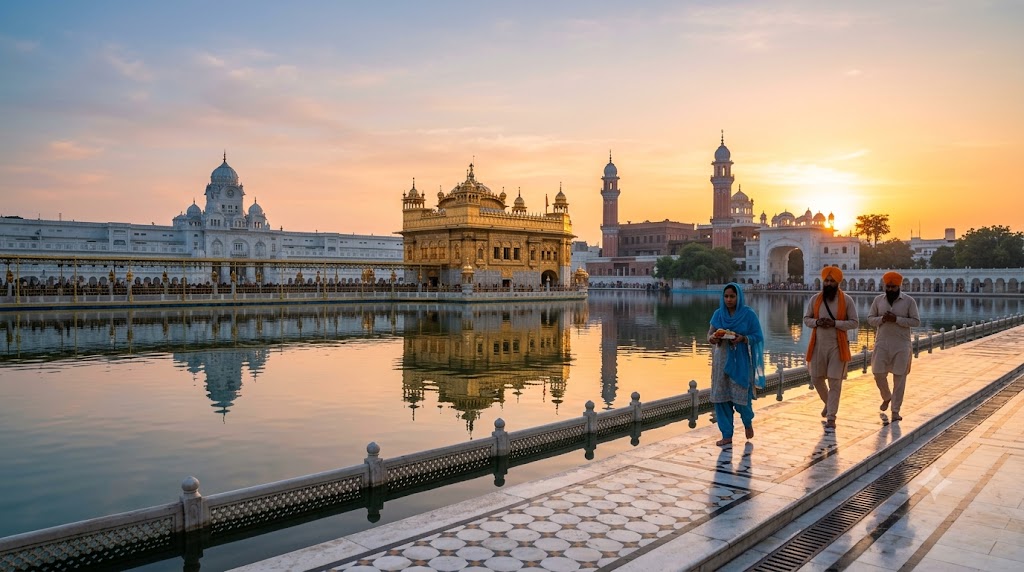
    The single best hour to arrive. The Golden Temple (Harmandir Sahib) is open 24 hours a day, every day, with free entry and no religious qualification to enter — but sunrise is when the marble parkarma is calmest, the light on the gilded dome is softest, and the crowds of the day haven’t arrived yet. Enter via the causeway, and before anything else, follow the three rules every visitor observes: remove your shoes at the entrance (free counters hold them), cover your head (scarves are provided if you don’t have one), and wash your feet in the shallow water channel at the entrance. Modest dress — shoulders and knees covered — applies to everyone, regardless of gender.

    Budget a minimum of 2–3 hours for a proper visit: the walk around the parkarma, the causeway queue into the inner sanctum for darshan, and simply sitting by the sarovar (the sacred pool) taking it in. If you want the complete experience including a langar meal and time to reflect, plan for closer to 5–6 hours across the day rather than a single rushed pass.

    9:00 AM — Langar: The World’s Largest Free Kitchen

    Somewhere around mid-morning, once you’ve done a first circuit of the temple, sit for langar — the free community meal that has run continuously at the Golden Temple for centuries. It serves around 100,000 meals a day, free, to anyone regardless of faith, caste or nationality, prepared and served largely by volunteers. Queues move fast even when they look long; join the line, sit on the floor in the communal hall, and eat what’s served. It’s not just a meal — it’s the single clearest expression of the Golden Temple’s core philosophy, and skipping it is the most common regret we hear from first-time visitors.

    11:00 AM — Jallianwala Bagh and the Partition Museum

    Both sit within walking distance of the Golden Temple along Heritage Street, and both add historical weight to the trip:

    • Jallianwala Bagh: the walled garden and site of the 1919 massacre, now a memorial with a small museum — a sober, important stop, best given 30–45 minutes.
    • Partition Museum: the world’s first museum dedicated to the 1947 Partition, telling the story through oral histories, refugee artifacts, letters and photographs. It’s open 10 AM–6 PM, Tuesday to Sunday (closed Monday), with a modest entry fee for tourists. Give it at least an hour if you’re interested in history — photography isn’t permitted inside, so be present rather than filming.

    1:00 PM — Amritsari Food Break

    This is non-negotiable in Amritsar. Hall Bazaar and the lanes around the Golden Temple complex serve some of the best food in North India — kulchas stuffed and griddled to order, lassi thick enough to stand a spoon in, and tandoori everything. Locals have their favourite decades-old spots; ask your driver or hotel, since the best kulcha stall in Amritsar rarely has a sign worth photographing.

    1:45 PM — A Quick Heritage Street Shopping Stop

    If you have twenty minutes before heading to Wagah, Heritage Street between the Golden Temple and Town Hall is worth a walk-through: Punjabi phulkari embroidery, juttis (traditional footwear), and Amritsari papad and wadiyan make honest, packable souvenirs. Save the bigger shopping session for the evening when you’re back from Wagah and not racing a ceremony start time — Hall Bazaar stays lively well into the night.

    2:30 PM — Depart for Wagah Border

    The Wagah Border sits roughly 30 km from central Amritsar, and this is the one fixed appointment of the day — the Beating Retreat ceremony has a set start time and fills up fast, so leave with a real buffer. Most hotels and drivers recommend departing by 2:30–3 PM to account for security queues and seating, especially in peak season or around national holidays.

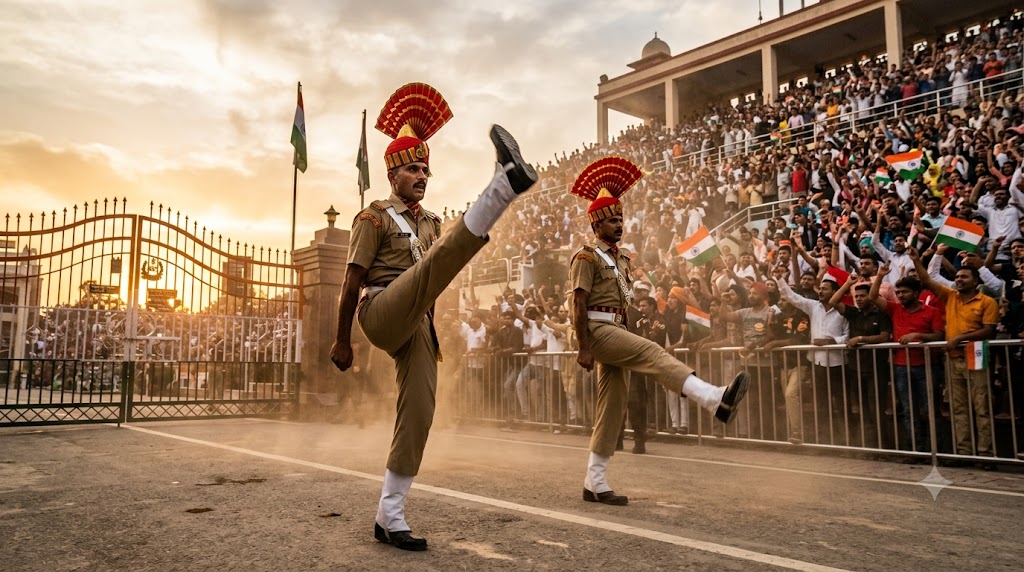
    BSF soldiers performing the high-energy Wagah Border retreat ceremony at sunset — Wagah Border ceremony Amritsar
    The Wagah Border Beating Retreat — 45 minutes of high-kick marching, flag lowering and crowd energy between India’s BSF and Pakistan’s Rangers, completely free to watch.

    4:30–5:30 PM — The Wagah Border Ceremony

    The ceremony’s start time shifts with the season — around 4:30 PM in winter, closer to 5:30 PM in summer — so confirm the current timing for your travel date. What follows is genuinely one of India’s most electric 45 minutes: BSF and Pakistan Rangers soldiers perform a high-energy display of precision marching, high kicks and flag lowering, with packed stands cheering on both sides of the border. It’s free, but arrive early for a decent seat — the stands fill completely around Independence Day (15 August) and other national occasions, when the atmosphere reaches its peak patriotic energy. If you’re travelling around mid-August, this is worth building your whole Amritsar day around.

    7:00 PM — Back to the Golden Temple, Lit Up

    The Golden Temple at night is a different experience entirely from the morning — the dome and surrounding buildings are lit, reflected in the sarovar, and the atmosphere turns quieter and more contemplative as the day-trip crowds thin out. This is also, for many visitors, the most photogenic hour of the whole day.

    9:45 PM — The Palki Sahib Ceremony

    If you can stay this late, this is the single most moving ritual at the Golden Temple: the Guru Granth Sahib (the Sikh holy scripture) is ceremonially carried in a golden palanquin from the main sanctum back to the Akal Takht for the night, accompanied by singing and devotees lining the causeway. It runs around 9:45 PM (closer to 10 PM in summer). Staying for this turns a good day trip into a genuinely memorable one — but it does mean a later drive back if you’re returning to Chandigarh same-day.

    One Day or Two? Planning the Logistics

    One-Day Trip from Chandigarh Overnight in Amritsar
    Best for Time-limited visitors, a focused Golden Temple + Wagah day Families wanting the full hour-by-hour experience above, including Palki Sahib
    Departure from Chandigarh Early morning, ideally by 5–6 AM to maximise the day Flexible — arrive the evening before
    Return Late night after Wagah or an early Palki Sahib viewing Next morning, unhurried
    Getting there ~230 km road (4–4.5 hours) or a short flight to Amritsar (ATQ) Same options, less time pressure

    Our honest recommendation: if you can spare one night, do — the Palki Sahib ceremony and a relaxed, non-rushed morning darshan are worth it. If time is genuinely tight, the one-day version above still delivers the Golden Temple, langar, Wagah Border and Amritsari food in a single, well-paced day.

    Where to Stay, If You’re Staying the Night

    • Walking distance from the Golden Temple: the most convenient tier — you can dip back in for the night view or Palki Sahib without a taxi, though rooms here vary widely in comfort and book up fast around Independence Day and Sikh festival dates.
    • Near the Mall Road / Ranjit Avenue area: more modern hotel options with easier parking, a short cab ride from the temple complex.
    • Highway-adjacent properties: useful if you’re arriving late by road or continuing on toward Jammu the next morning, trading a bit of walkability for convenience on a longer itinerary.

    We book the tier that matches your plan — temple-adjacent for a Palki Sahib-focused evening, or highway-side if Amritsar is a stopover on a longer Vaishno Devi or Kashmir trip.

    Getting to Amritsar from Chandigarh

    Amritsar is one of the most convenient short trips from the Tricity — road, rail and air all work well, and Amritsar’s own international airport (ATQ) means many travellers also combine a Golden Temple visit with an onward or inbound international flight, as we cover in our international flights from Chandigarh and Amritsar guide. It also sits directly on the route north toward Jammu, making it a natural add-on to a Vaishno Devi yatra or a Kashmir trip.

    Practical Tips We Give Every Client

    • Head covering: carry your own scarf or bandana if you’d rather not use the temple’s shared ones, especially for larger groups.
    • Photography: generally allowed around the Golden Temple complex, but strictly prohibited inside the Partition Museum — check signage at each site.
    • Footwear: shoe-check counters at the Golden Temple are free and well-organised, but keep your token safe.
    • Wagah Border seating: gender-segregated stands are standard; arrive early for a clear view, and expect security screening similar to an airport.
    • Mobility considerations: the Golden Temple parkarma is flat marble and wheelchair-manageable; Wagah’s stand seating is less accommodating — let us know in advance if this matters for your group.
    • Weather: October–March offers the most comfortable temperatures for a full day of walking; summer visits should front-load outdoor time to the morning and evening.

    Frequently Asked Questions

    What are the Golden Temple’s timings?

    The Golden Temple is open 24 hours a day, every day of the year, with free entry at any time. There’s no official closing time — the complex, langar and parkarma are accessible round the clock, though the most peaceful hours are early morning and late evening.

    How do I combine the Golden Temple and Wagah Border in one day?

    Start at the Golden Temple at sunrise, cover langar and the Heritage Street sites (Jallianwala Bagh, Partition Museum) by early afternoon, have lunch, then depart for Wagah Border by 2:30–3 PM to reach in time for the ceremony (4:30 PM in winter, 5:30 PM in summer). Return to the Golden Temple in the evening for the lit-up night view and, if time allows, the 9:45 PM Palki Sahib ceremony.

    What time is the Wagah Border ceremony?

    Around 4:30 PM in winter months and closer to 5:30 PM in summer — always confirm the current schedule for your travel date, and plan to arrive at least 1.5–2 hours early, especially around Independence Day (15 August) when stands fill to capacity.

    Is the Golden Temple free to visit?

    Yes, entirely — there’s no entry fee, and langar (the community meal) is also free for every visitor regardless of faith or nationality. The Partition Museum, a separate attraction nearby, does charge a modest entry fee for tourists.

    Can I visit Amritsar as a day trip from Chandigarh?

    Yes — it’s roughly a 4–4.5 hour drive each way (about 230 km), which comfortably supports a well-planned one-day visit if you leave early. For the full hour-by-hour experience including the night-time Palki Sahib ceremony, an overnight stay is more relaxed.

    Can Flywings arrange a private Amritsar day trip from Chandigarh?

    Yes — private cab, a paced itinerary matched to the hour-by-hour plan above, and Wagah Border seating guidance are all part of our Amritsar day-trip and overnight packages. Tell us your dates and group size for a quote.

    Plan Your Perfect Amritsar Day

    Amritsar is one of the easiest, most rewarding trips from the Tricity — but the difference between a rushed visit and a genuinely memorable one comes down to timing it right. Let us plan the day (or the overnight) around you. Explore more of our India tour packages from Chandigarh, or reach us directly:

    Written by Sukhjinder Kaur, Senior Travel Content Writer at Flywings Tour & Packages Pvt Ltd — planning trips from Mohali, Punjab since 2013. Timings verified as of July 2026; ceremony schedules and museum hours can shift seasonally, so confirm current timings when you enquire.

  • Spiti Valley Trip from Chandigarh: The Complete Road-Trip Guide Before the Season Closes (2026)

    Spiti Valley Trip from Chandigarh: The Complete Road-Trip Guide Before the Season Closes (2026)

    Not every trip from Chandigarh needs to be a beach or a shrine — sometimes it needs to be a road disappearing into a landscape that looks like nowhere else in India. That’s Spiti Valley: a high-altitude cold desert in Himachal Pradesh, all bare brown mountains, whitewashed monasteries clinging to cliffs, and villages that feel closer to Tibet than to Chandigarh, even though the drive starts right here. At Flywings Tour & Packages Pvt Ltd, we’ve watched Spiti go from a hardcore-backpacker secret to one of the most-asked-about road trips in the Tricity — and the season window that makes it possible is closing faster than most travellers realise. Here’s everything to know before you go, from route choice to altitude sickness, written for someone who has never done a Himalayan road trip before.

    Is Spiti Valley the Right Trip for You?

    Before the logistics — an honest check, because Spiti isn’t Shimla with better views:

    • Say yes if: you want dramatic, stark landscapes over lush greenery, don’t mind long driving days, are comfortable with basic guesthouse comfort in remote villages, and want a trip that feels like an achievement, not just a holiday.
    • Think twice if: you have very young children, anyone in the group has a heart or lung condition (altitude matters — more on this below), or your idea of a hill trip is a resort with room service.
    • The reward: monasteries over a thousand years old, some of the world’s highest motorable villages, night skies with more stars than most Indians have ever seen, and a road trip story that outlasts every beach photo.

    The Season Window — Why Timing Matters More Here Than Anywhere Else

    Spiti isn’t a year-round destination the way Shimla or Manali are. High mountain passes close with snow, and the full circuit genuinely only works within one window:

    Period Status
    November – May Manali route closed by snow; Shimla-Kinnaur route technically open but needs 4×4/snow chains and real cold-weather experience
    Mid-June – Mid-October The full circuit window — both entry routes open, this is when 95% of travellers should go
    July – August Warmest, but the Kinnaur side can see monsoon landslides — the Manali side stays comparatively drier since Spiti sits in a rain shadow
    September The sweet spot — golden poplar trees, clear skies, thinning crowds, and rates that soften after the August peak

    If you’re reading this in mid-to-late summer, the practical message is simple: the window is open right now, but it closes by mid-October — this is genuinely a “plan this month, not next spring” trip if you want to go this year.

    Two Ways In: Shimla-Kinnaur vs Manali

    Both routes start from the Chandigarh side of Himachal, and each gives a completely different trip:

    Route Character Best For
    Shimla → Kinnaur → Kaza Longer, more gradual altitude gain along the Sutlej river valley, passing Kalpa and Chitkul Better acclimatisation, first-timers, those wanting Kinnaur’s greener scenery en route
    Manali → Kunzum Pass → Kaza Shorter but steeper, crossing high passes quickly Time-limited trips, those who’ve already acclimatised, combining with a Manali stop

    Our recommendation for a first Spiti trip: enter via Shimla-Kinnaur and exit via Manali (or vice versa) if your schedule allows — you see both faces of the region and gain altitude more gradually, which matters far more than most travellers expect.

    Permits: Simpler Than You’ve Heard

    Indian tourists do not need a special permit for most of Spiti Valley — including Kaza, Tabo, Key Monastery, Kibber and Chandratal — which surprises many first-timers who’ve heard permit horror stories from other border regions. Foreign nationals do need an Inner Line Permit for the Spiti and Kinnaur region, arranged at the DC office in Shimla or Kaza, or via the Himachal Pradesh e-permit portal. For Indian travellers, the paperwork is refreshingly light — carry a government photo ID, as with any domestic trip.

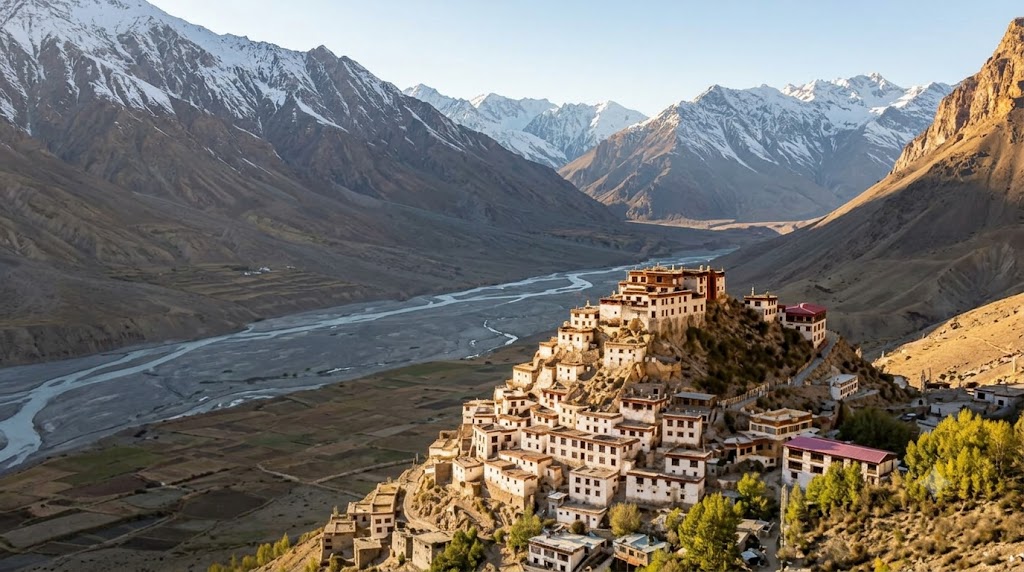
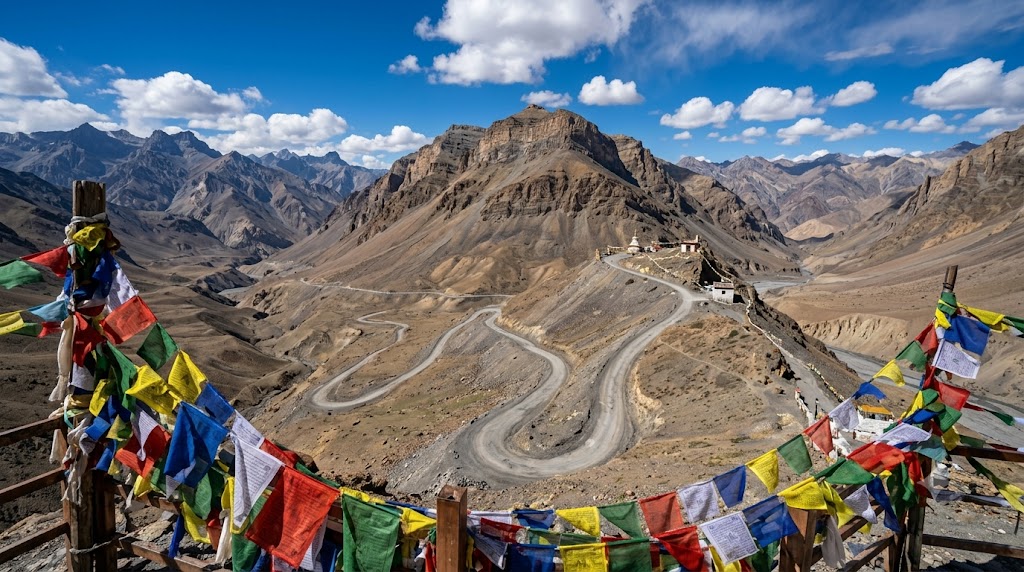
    Key Monastery perched on a hilltop above the Spiti river valley — Kaza Spiti Valley Himachal Pradesh
    Key Monastery, one of Spiti’s oldest and largest, stacked on its hilltop above the valley — the image most people picture when they hear “Spiti”.

    A Realistic 7-Day Itinerary

    1. Day 1 — Chandigarh to Shimla/Narkanda: A relatively easy driving day to start gaining altitude gradually.
    2. Day 2 — Onward to Sarahan or Kalpa (Kinnaur): Following the Sutlej valley, with Kinnaur Kailash views opening up as you climb.
    3. Day 3 — Kalpa to Nako: Crossing into the drier, starker Spiti-side landscape — the transformation is dramatic and sudden.
    4. Day 4 — Nako to Kaza via Tabo: Stop at Tabo Monastery, over a thousand years old, before reaching Kaza, Spiti’s small “capital”.
    5. Day 5 — Kaza local circuit: Key Monastery, Kibber (one of the world’s highest motorable villages), and Chicham bridge.
    6. Day 6 — Kaza to Chandratal (seasonal) or straight toward Manali: The moon-lake Chandratal, when road conditions allow, or a direct push toward Kunzum Pass.
    7. Day 7 — Over Kunzum Pass to Manali: The dramatic exit route, ending in Manali’s relative comfort before the drive home to Chandigarh.

    This can be tightened to 5–6 days for a faster trip, but Spiti punishes rushing more than most destinations — the roads are slow by nature, and altitude needs the buffer days built in.

    Altitude and Safety: The Section Not to Skip

    Spiti’s villages sit between roughly 3,000 and 4,500+ metres — genuinely high altitude, where altitude sickness (AMS) is a real, common risk, not a rare edge case:

    • Gain altitude gradually. This is the single biggest reason we recommend the Shimla-Kinnaur entry for first-timers — it climbs in stages rather than jumping straight to Kaza’s altitude.
    • Hydrate more than feels necessary. Dehydration worsens AMS symptoms; drink water constantly through the trip, not just when thirsty.
    • Know the warning signs: headache, nausea, dizziness and breathlessness beyond normal exertion. Mild symptoms mean rest and hydration; worsening symptoms mean descend — don’t push through.
    • Avoid alcohol and heavy exertion on your first day or two at altitude, however tempting the views are for a trek.
    • Travel with a driver who knows the region. Local drivers recognise AMS symptoms early and know exactly where the nearest lower-altitude town is — this is not a route to self-drive on a first attempt.
    • Carry basic medication as advised by your doctor before the trip, and know where the nearest medical points are along your route.

    Beyond the Main Circuit: Worth the Detour

    • Dhankar Monastery and Lake: a cliffside monastery even more dramatically perched than Key, with a short hike up to a glacial lake — often skipped by rushed itineraries, which is exactly why it’s worth the detour.
    • Pin Valley: a side valley known for its stark beauty and as habitat for the elusive snow leopard in winter — a full-day detour for travellers with an extra day to spare.
    • Langza, Komic and Hikkim: a trio of villages near Kaza famous for fossil-hunting, one of the world’s highest motorable villages, and (in Hikkim’s case) the world’s highest post office — a fun half-day loop from Kaza.
    • Chandratal Lake: the “Moon Lake”, reachable via a seasonal side road — camping here under Spiti’s night sky is, for many travellers, the single best memory of the trip when road conditions allow it.

    Food and Connectivity on the Road

    Kaza has the region’s best range of small cafés and guesthouse kitchens, serving a mix of simple Himachali, Tibetan (think momos and thukpa) and traveller-friendly food — don’t expect variety once you’re beyond Kaza’s handful of villages, and pack some snacks for long driving days. Mobile network is limited to patchy BSNL coverage in places and largely absent between towns, so tell family back home to expect radio silence for a day or two — this is very much part of Spiti’s appeal, not a flaw to work around.

    What to Pack

    • Serious layering: daytime sun is strong, nights drop close to freezing even in summer.
    • Sunscreen and sunglasses: UV exposure at altitude is significantly stronger than at sea level.
    • A power bank and offline maps: mobile network is patchy to non-existent through much of the route.
    • Cash: ATMs are scarce beyond Kaza; carry enough for the whole circuit.
    • A basic medical kit including any AMS medication discussed with your doctor.

    Booking a Package vs Self-Driving

    Spiti is one region where we actively steer first-timers away from self-driving unless someone in the group has real mountain-driving experience — the roads are narrow, altitude affects judgement more than people expect, and breakdown support is thin between towns. A Flywings Spiti package handles the vehicle (with an experienced local driver), homestay/guesthouse bookings matched to each night’s altitude, and a pace that respects acclimatisation — the same logic we apply to Kashmir and Himachal weekend trips, extended to Spiti’s more demanding terrain.

    Frequently Asked Questions

    What is the best time to visit Spiti Valley from Chandigarh?

    Mid-June to mid-October is the full circuit window, with September standing out as the sweet spot — golden autumn colours, clearer skies, and thinner crowds than the July–August peak. Outside this window, mountain passes close and the trip becomes far more difficult or impossible for most travellers.

    How many days are needed for a Spiti Valley trip?

    7 days covers the classic circuit comfortably with acclimatisation built in — Shimla-Kinnaur entry, Kaza-area sightseeing, and a Manali exit over Kunzum Pass. It can be tightened to 5–6 days, but we don’t recommend rushing the altitude gain.

    Is Spiti Valley safe for families with children?

    It depends more on altitude tolerance than age — Spiti’s high elevation genuinely affects some people regardless of fitness. Families with older children who acclimatise well can have a wonderful trip; we’d advise caution with very young children and recommend discussing the itinerary with a doctor beforehand if anyone has a heart or lung condition.

    Do Indian tourists need a permit for Spiti Valley?

    No special permit is required for Indian nationals to visit Kaza, Tabo, Key Monastery, Kibber or Chandratal — just a government photo ID, as with any domestic trip. Only foreign nationals need an Inner Line Permit for the region.

    What is the distance from Chandigarh to Kaza?

    Roughly 450–470 km depending on the route, but Himalayan road distance is measured in hours, not kilometres — expect the drive (spread across multiple days with overnight stops) to take 3–4 driving days each way via either entry route, not a single push.

    Which route is better for a first-time visitor — Shimla-Kinnaur or Manali?

    Shimla-Kinnaur, for most first-timers — it gains altitude more gradually along the Sutlej valley, which meaningfully reduces AMS risk compared to Manali’s steeper, faster climb over high passes. If your schedule allows, entering via one route and exiting via the other gives you the best of both without doubling back.

    Can Flywings arrange a Spiti Valley trip with a driver?

    Yes — we arrange the vehicle with an experienced mountain driver, altitude-appropriate guesthouse stays, and a paced itinerary, as a complete package from Chandigarh. Tell us your dates and group size for an itemised quote.

    The Window Is Open — For Now

    Spiti rewards travellers who plan a little and respect the altitude a lot. With the season closing by mid-October, the right time to start planning is now, not after the passes shut for winter. Explore more of our India tour packages from Chandigarh, or talk to our desk directly:

    Written by Sukhjinder Kaur, Senior Travel Content Writer at Flywings Tour & Packages Pvt Ltd — planning road trips and holidays from Mohali, Punjab since 2013. Route and season information verified as of July 2026; mountain road conditions change with weather, so confirm current status before you travel.

  • Vaishno Devi Package from Chandigarh & Amritsar: The Complete Planning Guide (2026)

    Vaishno Devi Package from Chandigarh & Amritsar: The Complete Planning Guide (2026)

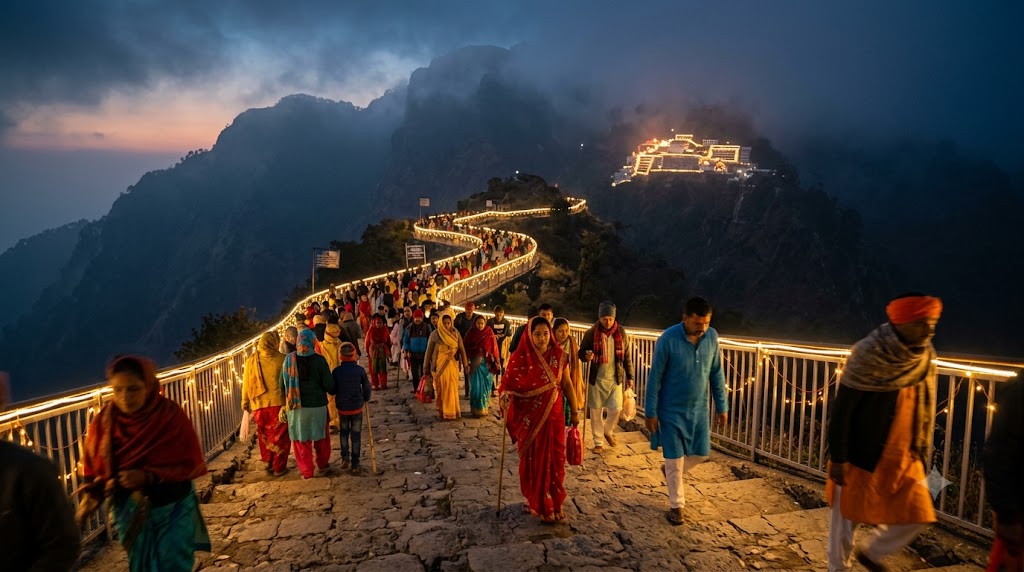
    Of everywhere on this list, Vaishno Devi is the trip most travellers from Chandigarh, Mohali and Punjab actually take at least once — and the one most families still plan last-minute, on a WhatsApp forward and a hope. A Vaishno Devi package from Chandigarh or Amritsar deserves a bit more than that, because the yatra rewards planning: the right registration slot, the right mode of ascent for your group, and the right week on the calendar make the difference between a rushed, exhausting climb and the kind of trip people talk about for years. At Flywings Tour & Packages Pvt Ltd, we’ve been organising this exact pilgrimage for Punjab families since 2013. Here is everything to sort out before you book — in the order you’ll actually need it.

    Quick facts before you plan: Katra is roughly 5–6 hours by road from Chandigarh (via Jammu), or a short flight/train to Jammu followed by an hour’s drive. The climb from Katra to the shrine is about 13 km — walkable, ponyable, or skippable by helicopter to Sanjichhat. Registration (the Yatra Parchi) is free and mandatory. The best months are March–April and September–October, once monsoon landslide risk has passed.

    Step 1: Getting to Katra from Chandigarh or Amritsar

    Katra, the base town for the yatra, is reachable three ways from Punjab — pick based on your group’s time and comfort, not habit:

    Route Approx. Time Best For
    Road via Jammu (Chandigarh/Amritsar → Katra) 5–6 hours from Chandigarh; 4–5 hours from Amritsar Families with a private cab, flexible groups
    Flight to Jammu, then road to Katra ~1 hour flight + ~1.5 hour drive Elderly travellers, short-leave trips, summer heat avoidance
    Train to Jammu Tawi, then road to Katra Varies by train; ~1.5 hour drive from Jammu Budget groups, overnight travel to save a day

    Our honest advice for a first-timer group: road via Jammu is simplest for Punjab travellers, since it’s a known highway and needs no connection timing to get right. For elderly pilgrims or a genuinely tight weekend, flying into Jammu removes the most tiring stretch of the trip.

    Step 2: Register for Your Yatra Parchi — Free, but Mandatory

    Every pilgrim needs a Yatra Parchi (registration slip) to begin the climb — it’s free of cost and the process is simple, but skipping it or leaving it to Katra means longer queues:

    1. Register on the official Shri Mata Vaishno Devi Shrine Board portal as a new devotee, creating a Devotee ID.
    2. Select your preferred date and time slot for the climb.
    3. Download and print (or save digitally) your Yatra Parchi — you’ll need it at the Katra check-post before starting.
    4. The same portal handles room bookings, Aarti/Poojan slots, and battery-car bookings within Katra — worth doing together in one sitting.

    Use only the official portal — third-party sites charging a “registration fee” are not legitimate; the yatra parchi itself is always free. We handle this registration as part of every Vaishno Devi package we book, timed to your travel dates.

    Step 3: Choose Your Mode of Ascent

    This is the decision that shapes your whole trip — and the one where “what worked for your neighbour” isn’t always right for your group:

    Mode Time (One Way) Best For Watch-Out
    Trek (on foot) 5–7 hours Fit adults, groups wanting the full devotional experience 13 km uphill — pace yourself, carry water, start early
    Pony / Palki 4–6 hours Elderly pilgrims, those with mobility limits, families with older kids Book at official counters only; agree the fare before starting
    Helicopter (to Sanjichhat) ~5–8 minutes flight + short walk Short-leave trips, elderly or unwell pilgrims, hot-season visits Book up to 60 days ahead online; seats sell out fast around Navratri
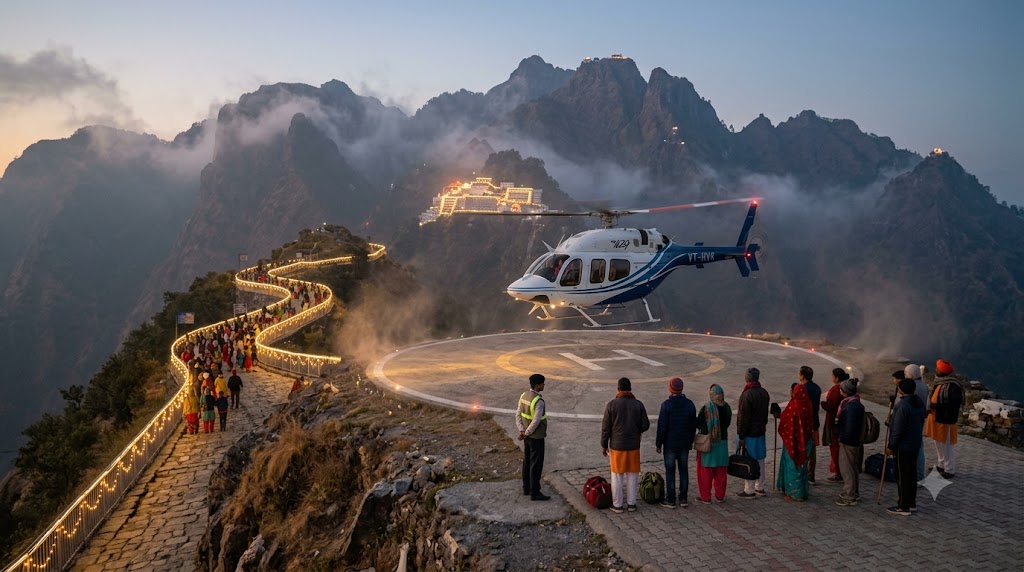
    Helicopter landing at Sanjichhat helipad near Vaishno Devi with mountain views — helicopter booking for Vaishno Devi yatra
    The helicopter to Sanjichhat cuts the climb to minutes — the single most useful option for elderly pilgrims or a genuine one-day yatra.

    Step 4: Pick Your Week — The Best Time to Go

    Vaishno Devi is open year-round, but the calendar genuinely changes the experience:

    Period Conditions Our Take
    March – April Pleasant, clear, moderate crowds One of the two best windows of the year
    May – June Warm to hot, busy with summer holidays Fine if you start the climb pre-dawn to beat the heat
    July – August Monsoon — lush but landslide-prone Avoid if possible; if travelling, check road advisories daily
    September – October Clear post-monsoon skies, Sharad Navratri falls here The golden window — best weather, but Navratri dates themselves are extremely crowded
    November – February Cold, occasional snow at higher points Quiet and scenic, pack serious woollens

    If your dates are flexible, our practical tip: aim for the two-to-three weeks around Sharad Navratri rather than the festival days themselves — you get the same clear autumn weather with a fraction of the queue.

    Step 5: What to Pack and Prepare

    • Comfortable, broken-in walking shoes — this is not the trip for new sandals.
    • A light jacket even in summer — evenings near the shrine are cooler than Katra.
    • A refillable water bottle — stations along the route refill for free.
    • A small daypack — lockers are available in Katra for anything you don’t want to carry up.
    • Any government photo ID for every traveller — required at the check-post alongside your Yatra Parchi.
    • Cash in small denominations — for pony/palki fares and en-route stalls, though UPI works at most fixed counters now.

    Where to Stay in Katra

    Katra’s hotels range from simple guesthouses to comfortable mid-range properties, and location matters more than star rating for this particular trip:

    • Near the Banganga check-post / Yatra starting point: the most convenient tier — you start walking (or catch your pony/helicopter transport) within minutes, which matters most if you’re beginning before sunrise.
    • Katra Main Bazaar: the widest choice of hotels and easiest access to food, shops and the railway/bus station, a short auto ride from the starting point.
    • Quieter outskirts: better rates and more parking space for private vehicles, at the cost of a slightly longer transfer to the check-post.

    We book hotels in the tier that matches your climb plan — right by the check-post for an early helicopter slot, or Main Bazaar for a more relaxed trekking start.

    Vaishno Devi for Kids, Elderly Pilgrims and Large Groups

    • With young children: pony or palki covers the distance without exhausting little legs; battery cars (booked on the same official portal) cover the flatter stretches within Katra itself.
    • With elderly parents: the helicopter to Sanjichhat is the single biggest comfort upgrade available — book it as early as your 60-day window allows, especially around Navratri.
    • Large family or society groups: we coordinate group hotel blocks in Katra and staggered registration slots so the group climbs together rather than getting split across different time windows — tell us your headcount early, since Navratri-season room blocks fill up months ahead.

    Combining Vaishno Devi with Amritsar or Kashmir

    Because Katra sits on the Chandigarh–Jammu–Srinagar road corridor, many of our clients extend a Vaishno Devi trip rather than treating it as a standalone weekend:

    • + Golden Temple, Amritsar: roughly on the way for road travellers from Punjab — an easy add-on for a longer, more complete pilgrimage circuit.
    • + Kashmir: Jammu is the gateway city for both — pilgrims continuing north into the Kashmir Valley can combine the yatra with our Kashmir tour package itinerary on the same trip.

    What to Budget For

    Vaishno Devi is genuinely one of the more affordable pilgrimages to plan, but a few cost categories are worth knowing about before you go, even without fixed figures here — every quote we prepare itemises these individually:

    • Registration (Yatra Parchi): free, always.
    • Transport from Chandigarh/Amritsar: varies by private cab vs shared travel vs flight-to-Jammu.
    • Pony, palki or helicopter: the biggest variable cost — helicopter costs the most but saves the most time and effort.
    • Katra hotel: varies by proximity to the check-post and season, with Navratri commanding the highest rates.
    • Meals and en-route purchases: modest — Katra and the yatra route both have plenty of affordable food options, including free langar at points along the way.

    Share your group size and preferred ascent mode and we’ll send an itemised quote covering all of the above within 24 hours.

    A Realistic Trip Timeline

    For most Chandigarh families, this is how a Vaishno Devi trip actually fits together:

    1. Day 1: Travel from Chandigarh/Amritsar to Katra, check in, complete registration if not done online in advance.
    2. Day 2: Pre-dawn or early-morning start up the hill (trek/pony/helicopter), darshan, descend or return by helicopter, rest in Katra.
    3. Day 3: Optional — visit Katra’s local sights or begin the return journey; some families extend with a short Jammu city stop (Bahu Fort, Raghunath Temple) before heading home.

    Two nights / three days covers this comfortably without rushing the darshan itself, which is the part no one wants to hurry.

    Frequently Asked Questions

    How many days are needed for the Vaishno Devi yatra from Chandigarh?

    Two nights, three days is the comfortable standard — one day to travel and settle in, one for the climb and darshan, and a buffer day for rest or a Jammu city stop before heading home. It can be compressed to a long weekend using a flight to Jammu and the helicopter option.

    Is the Vaishno Devi trek difficult?

    The 13 km climb is steady but manageable for most reasonably fit adults, done at your own pace with rest points throughout. For elderly pilgrims, young children, or anyone with mobility concerns, the pony, palki or helicopter options make the shrine fully accessible without the full trek.

    How do I book the Vaishno Devi helicopter?

    Helicopter bookings open via the official Shrine Board portal up to 60 days in advance and are first-come, first-served — seats around Navratri and other peak weekends sell out quickly. We handle this booking as part of every package, timed to your travel dates.

    Is Yatra Parchi registration really free?

    Yes, completely — registration is free of charge on the official portal. Be cautious of any third-party site charging a “registration fee”; that is not an official cost.

    What is the best time to visit for pleasant weather and fewer crowds?

    March–April and the weeks around (not exactly during) Sharad Navratri in September–October offer the best combination of clear weather and manageable crowds. Avoid peak monsoon (July–August) due to landslide risk, and expect the heaviest crowds during Navratri itself.

    Can I combine Vaishno Devi with a Golden Temple or Kashmir trip?

    Very easily — Katra sits on the Chandigarh–Jammu–Srinagar corridor, so an Amritsar stop works naturally on the way, and Jammu is the same gateway city pilgrims use to continue on to Kashmir. We regularly plan combined itineraries covering two or three of these in one trip.

    Can Flywings arrange the full Vaishno Devi trip, not just transport?

    Yes — registration, Katra hotel booking, private transport from Chandigarh or Amritsar, and helicopter or pony arrangements can all be handled as one itemised package. See more domestic circuits on our India tour packages from Chandigarh page.

    Plan Your Yatra With a Desk That’s Done This Before

    Vaishno Devi is one trip where local logistics knowledge — which Katra hotels are genuinely close to the check-post, which weeks to avoid, how to lock a helicopter slot before it sells out — makes a real difference to how the trip feels. Tell us your dates and group size, and we’ll build the itinerary around them. Explore more of our India tour packages, or reach us directly:

    Written by Sukhjinder Kaur, Senior Travel Content Writer at Flywings Tour & Packages Pvt Ltd — planning pilgrimages and holidays from Mohali, Punjab since 2013. Registration processes and seasonal guidance verified as of July 2026; yatra rules and weather can change, so confirm current details when you enquire.
  • Thailand Visa Rules for Indians in 2026: What Actually Changed (May Panic → July U-Turn, Explained)

    Thailand Visa Rules for Indians in 2026: What Actually Changed (May Panic → July U-Turn, Explained)

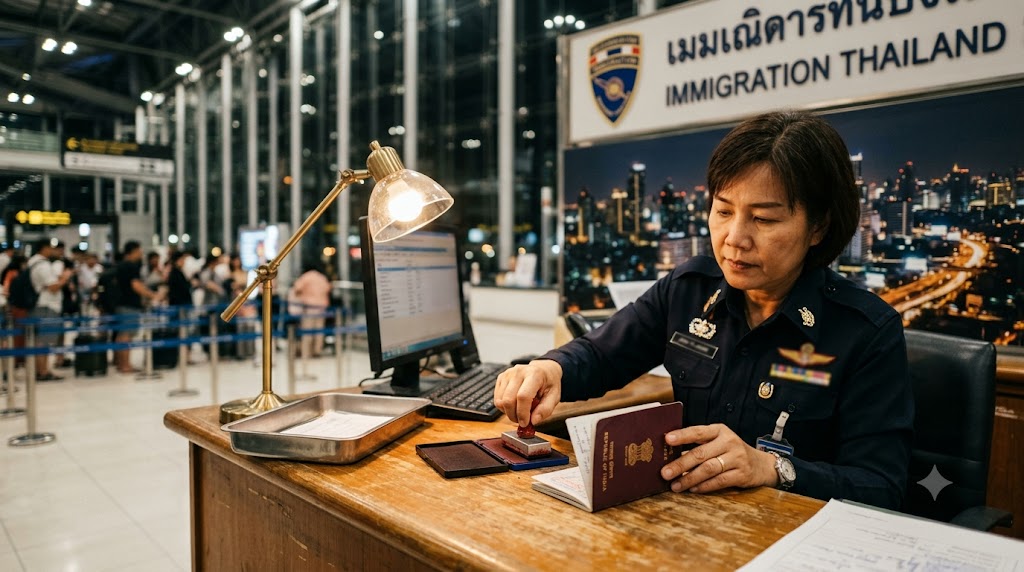
    Quick answer: Yes — Thailand is visa-free for Indian passport holders in 2026, for stays of up to 30 days. A May 2026 proposal to scrap visa-free entry entirely caused weeks of panic and a real dip in bookings, but Thailand’s Cabinet reversed course on 14 July 2026 and made the 30-day visa-free arrangement permanent. If you searched this because of the May headlines, you’re reading slightly old news — here’s the full story.

    Few visa stories have confused Indian travellers as much as Thailand’s in 2026. In the space of two months, Indians went from a 60-day visa-free arrangement, to headlines announcing it was being scrapped for a 15-day paid visa-on-arrival, to a Cabinet U-turn that landed on a permanent 30-day visa-free entry. At our Mohali desk, Flywings Tour & Packages Pvt Ltd fields dozens of “wait, do I need a Thailand visa now or not?” calls a week — so here is the complete, dated timeline of what happened, exactly what the rules are today, and what it means for your next Bangkok or Phuket trip.

    The Timeline: How We Got Here

    • Before May 2026: Indian passport holders enjoyed visa-free entry to Thailand for stays of up to 60 days — one of the most generous arrangements Thailand offered any nationality, and a major reason Thailand became a top short-haul destination for Indian travellers.
    • 19 May 2026 — the announcement that caused panic: Thailand’s Cabinet approved a restructuring of its immigration framework that would have removed India from the visa-free list entirely, replacing it with a 15-day visa-on-arrival requiring a fee of roughly 2,000 THB (about ₹5,000) paid at the airport.
    • Late May – June 2026 — the fallout: The proposal triggered real confusion among Indian travellers — many assumed Thailand had become visa-required overnight — and bookings from one of Thailand’s most important source markets measurably declined in the following weeks.
    • 14 July 2026 — the reversal: Facing the drop in Indian arrivals, Thailand’s Cabinet reversed the May decision. Instead of reverting to the old 60-day scheme, it went further: India was added to Thailand’s 30-day visa-free list on a permanent basis — a lasting entry, not a temporary extension.

    What the Rules Actually Are Today

    This table is the one to bookmark — it settles the “60 days, 15 days, or 30 days?” confusion in one look:

    Before May 2026 The Scrapped May Proposal The Rule Today (Since 14 July 2026)
    Visa requirement Visa-free Visa-on-arrival required Visa-free
    Maximum stay 60 days 15 days 30 days
    Cost at the border None ~2,000 THB (~₹5,000) None
    Status Was in effect Never actually implemented Permanent, current rule

    In short: the scary version — a paid 15-day visa-on-arrival — never actually came into force. What did come into force is better than most travellers realise: visa-free entry, permanently, for a full month.

    Bangkok's Wat Arun temple at golden hour on the Chao Phraya river — Thailand travel for Indians 2026
    Wat Arun on the Chao Phraya River — one of the reasons Bangkok remains one of the most-booked short-haul trips for Indian travellers, visa-free rules or not.

    Why Did Thailand Almost Scrap Visa-Free Entry?

    The May proposal was framed around tightening Thailand’s broader immigration and tourism-visa framework — addressing concerns about long-stay visitors overstaying tourist terms and, in some cases, working informally while on a tourist entry. India was one of several nationalities caught in a wider policy tightening, not singled out specifically. The reversal in July reflects something Thailand’s tourism economy takes very seriously: Indian travellers are one of its largest and fastest-growing inbound markets, and the dip in bookings after the May announcement made the economic cost of the stricter rule clear within weeks.

    Setting the Record Straight: Myths vs Facts

    What People Are Saying The Actual Fact
    “Thailand needs a visa for Indians now.” False. Entry is visa-free for stays up to 30 days, as of the 14 July 2026 ruling.
    “You have to pay 2,000 THB at the airport.” False for the current rule. That fee applied only to the May proposal, which was reversed before it took effect.
    “The old 60-day stay is still available.” Not currently — the permanent arrangement from July 2026 is 30 days visa-free, not the earlier 60.
    “This could change again.” True, and worth planning around — Thailand’s rules for Indian travellers have shifted twice in two months in 2026. Confirm live rules close to your travel date.

    Real Scenarios: Three Calls We’ve Actually Taken

    Numbers and rulings are one thing — here’s what the confusion has actually looked like across our counter since May:

    • “I already paid for flights in June — do I need to cancel?” A Mohali family had booked a Bangkok trip for August right after the May headlines broke, convinced they’d now need a paid visa-on-arrival they hadn’t budgeted for. They didn’t need to change a thing — by the time they travelled, the July reversal was already in effect and entry was visa-free.
    • “My travel agent app still shows the old 60-day rule.” Several clients found outdated visa information on booking apps and blogs that hadn’t been updated since before May. This is exactly why we verify live rules per booking rather than trusting a cached FAQ page — including our own, which we keep current.
    • “We’re planning a 45-day trip — is that still possible visa-free?” Not under the current 30-day rule. For this client, we mapped out a simple visa-run to Cambodia at the 28-day mark, resetting a fresh 30-day window for the second half of their trip — a common workaround for travellers used to the old 60-day allowance.

    How Thailand’s Rules Compare to Its Neighbours in 2026

    Since Thailand’s visa status has been genuinely volatile this year, it’s worth seeing where it stands next to the other Southeast Asian destinations Indian travellers routinely compare it with — all covered in more depth in our visa-free countries guide:

    Destination Entry Type for Indians (2026) Typical Stay
    Thailand Visa-free 30 days
    Malaysia Visa-free Up to 30 days
    Indonesia (Bali) Visa on arrival ~30 days, extendable
    Singapore e-Visa Per approval, typically 30 days
    Vietnam e-Visa Per approval, typically 30–90 days
    Cambodia e-Visa Per approval, typically 30 days

    Thailand and Malaysia are now the two genuinely visa-free options on this list for Indian passport holders — which is part of why Thailand’s near-miss in May mattered so much to travellers who’d built entire multi-country itineraries around not needing paperwork for it.

    Best Time to Visit Thailand Now That the Rules Have Settled

    With the visa question resolved, the only planning variable left is weather — and Thailand’s calendar rewards getting this right:

    Months Conditions Verdict
    November – February Cool, dry, 20–32°C Peak season. The best weather nationwide; book flights and island resorts 6–8 weeks out.
    March – May Hot, up to 35–40°C, especially in Bangkok Good for island beach time; city sightseeing is more comfortable early morning or evening.
    June – October Southwest monsoon, humid with regular showers Lower rates and fewer crowds; the Andaman coast (Phuket, Krabi) sees more rain than the Gulf side.

    What This Means If You’re Planning a Trip

    For most travellers booking a standard Thailand holiday — Bangkok’s temples and markets, Phuket or Krabi’s beaches, a Phi Phi Islands day trip — 30 days visa-free is more than enough runway, and nothing practically changes versus what you may have assumed. Where it matters more:

    • Longer stays: if you were planning 45 or 60 days (a common pattern for retirees or long workations), you now need to either exit and re-enter to reset the 30-day clock, or look at a formal longer-stay visa category — our desk can walk you through both options.
    • Multi-country Southeast Asia trips: a Thailand + Vietnam + Cambodia route, for instance, is easier to sequence now that Thailand’s window is a known, permanent 30 days rather than a moving target.
    • Booking confidence: because this was reversed rather than left ambiguous, you can book Thailand flights and hotels without worrying about a surprise visa fee appearing at check-in — but as always, we verify the live rule before you fly, since it has moved twice already this year.

    Documents to Carry Regardless of Visa-Free Status

    “Visa-free” is not “document-free” — Thai immigration, like most countries, still checks the following on every visa-free entry:

    • Passport valid for at least 6 months from your travel date
    • A confirmed return or onward flight ticket
    • Proof of accommodation for your stay (hotel booking or address)
    • Evidence of sufficient funds for the trip, if asked

    These are exactly the documents we prepare as a checklist for every Thailand booking — visa-free entry removes the application, not the paperwork discipline.

    Where to Go in Thailand: A Quick Route Map

    With entry sorted, the actual trip-planning question is which of Thailand’s very different regions to prioritise:

    • Bangkok: temples (Wat Arun, Wat Pho, the Grand Palace), floating markets, rooftop bars and some of Asia’s best street food — 2–3 days is the usual anchor for any Thailand itinerary.
    • Phuket: Thailand’s biggest beach resort island, with nightlife in Patong and quieter bays further south — the easiest beach add-on for a first Thailand trip.
    • Phi Phi Islands: a day-trip staple from Phuket or Krabi — limestone cliffs, Maya Bay, and some of the clearest water in the Andaman Sea.
    • Krabi: a calmer alternative to Phuket, with Railay Beach’s dramatic cliffs and easier access to island-hopping.
    • Chiang Mai: the north’s cultural capital — temples, night markets, and cooler hill weather, best paired with Bangkok on a longer trip.

    Our Thailand tour packages combine two or three of these into a single itinerary, timed to make the most of your visa-free 30 days without feeling rushed.

    Who This News Actually Matters Most For

    Not every Thailand traveller experienced this the same way. Here’s how the 2026 back-and-forth lands for different kinds of trips:

    • First-time short-haul travellers: the least affected group in practice — a standard 5–7 day Bangkok-and-beach trip fits comfortably inside 30 days visa-free, exactly as it always would have. The May scare was mostly noise for this group, but understandably alarming noise.
    • Honeymooners and couples: Thailand remains a strong value pick against Bali or the Maldives for a 6–8 day trip — see our Bali vs Maldives vs Dubai comparison for how it stacks up, and ask us to slot Thailand into that same comparison for your dates.
    • Families with school-holiday timing: since bookings are often made months ahead for summer or winter breaks, this group is exactly who got caught mid-plan by the May announcement — and exactly who benefits most from a desk that tracks the rule rather than assuming a booking made in April is still accurate in July.
    • Long-stay and repeat visitors: the group genuinely affected by the drop from 60 to 30 days. If you previously treated Thailand as a 45–60 day workation base, this is the one real, lasting change worth re-planning around.
    • Multi-country backpacker itineraries: Thailand’s new permanent 30-day window is actually easier to plan around than the old uncertainty — pairing it with Vietnam or Cambodia’s e-Visas (see our visa-free countries guide) now has one less moving variable.

    Getting There from Chandigarh, Amritsar or Delhi

    Thailand doesn’t yet have a direct flight from Chandigarh or Amritsar, so every Thailand trip from Punjab routes through Delhi — the good news is that connection is short and frequent. Bangkok sees multiple daily departures from Delhi across full-service and low-cost carriers, keeping total journey time (including the Chandigarh–Delhi leg) to well under half a day gate to gate. Our ticketing desk prices the Chandigarh–Delhi–Bangkok routing against a Chandigarh–Delhi road transfer plus flight, and books whichever combination gives you the best total fare and the least airport waiting — the same booking-window logic we cover in our cheap flights guide applies here too: booking 4–6 weeks out typically beats a last-week fare by a wide margin.

    Five-Minute Pre-Departure Checklist

    1. Confirm the live visa rule for your exact travel date — call us or check Thailand’s immigration site directly, since 2026 has already shown the rule can move.
    2. Check your passport validity — 6 months from your travel date, non-negotiable at check-in.
    3. Have your return ticket ready to show — immigration and airline staff both ask for this on visa-free entries.
    4. Carry proof of your hotel booking, printed or on your phone with offline access in case of patchy airport Wi-Fi.
    5. Keep a card or cash buffer accessible in case of a funds check — rare, but worth being ready for.

    The Bigger Picture: Why This Story Matters Beyond Thailand

    The Thailand episode is a useful reminder for every international trip, not just this one destination: visa rules are policy decisions, and policy decisions can change with very little warning — in either direction. The safest habit for any traveller is the one our desk practises by default: verify the live entry requirement close to your travel date, from a source that’s actually checking in real time, rather than trusting a headline (or a blog post, including this one) as a permanent fact. We update this page and our internal guidance the moment official rules shift again.

    How Flywings Handles This for You

    Because Thailand’s rule has changed twice within one travel season, we don’t rely on a static checklist for Thailand bookings — our desk confirms the live entry requirement for your exact travel dates before we finalise flights or hotels, and we brief you on exactly what to carry at the airport. If Thailand’s rules move again before your trip, we update your booking guidance directly rather than leaving you to find out at immigration. This is the same live-verification approach we use for every visa question, whether it’s Thailand’s evolving rules or the standard UAE visa process for Dubai.

    Frequently Asked Questions

    Do Indians need a visa for Thailand in 2026?

    No — as of the 14 July 2026 ruling, Indian passport holders can enter Thailand visa-free for stays of up to 30 days. The stricter 15-day paid visa-on-arrival proposed in May 2026 was withdrawn before it ever took effect.

    Why did people think Thailand ended visa-free entry for Indians?

    Because it briefly, officially planned to. Thailand’s Cabinet approved a shift to a 15-day paid visa-on-arrival on 19 May 2026, which made headlines and caused real confusion. That decision was reversed on 14 July 2026, before it was implemented, in favour of a permanent 30-day visa-free arrangement — better than what almost happened, though shorter than the original 60-day scheme.

    How long can Indians stay in Thailand without a visa now?

    Up to 30 days per entry, visa-free, under the current permanent rule. This is down from the earlier 60-day visa-free arrangement but well clear of the 15-day paid entry that was proposed and scrapped.

    Is the 30-day visa-free rule permanent or could it change again?

    Thailand’s Cabinet has framed the July 2026 decision as a permanent arrangement, not a temporary extension. That said, given two policy shifts inside two months earlier this year, we recommend confirming the live rule with our desk shortly before you travel — it costs nothing and takes minutes.

    What if I need to stay in Thailand longer than 30 days?

    You have two practical options: exit to a neighbouring country and re-enter to start a fresh 30-day visa-free period, or apply for a formal Thai visa category suited to longer stays before you travel. Tell us your planned duration and we’ll advise the cleaner route for your situation.

    Does this affect Thailand tour package prices?

    Not directly — since the paid visa-on-arrival proposal never took effect, there’s no new visa fee to factor into your Thailand trip cost. As always, we quote every Thailand package individually based on your dates, hotel category and season.

    Is there a direct flight from Chandigarh to Thailand?

    Not currently — Thailand trips from Punjab route via Delhi, which has frequent daily Bangkok departures. Total journey time stays well under half a day, and our desk books the combined Chandigarh–Delhi–Bangkok routing at the best available fare for your dates.

    Where can I check the official, current Thailand visa rule myself?

    Thailand’s Ministry of Foreign Affairs and immigration authorities publish official updates, and Indian embassy advisories mirror them. Given how quickly this has changed in 2026, we’d still recommend confirming with a desk that checks live, like ours — a two-minute call beats relying on a search result that may already be outdated by the time you read it.

    Book Thailand With Confidence — We Track the Rules So You Don’t Have To

    Thailand remains one of the best-value, best-connected short-haul holidays for Indian travellers — the 2026 visa back-and-forth doesn’t change that, it just means the rules are worth double-checking before you fly. Our desk verifies live entry requirements on every Thailand booking, files any paperwork you do need, and keeps you updated if anything shifts again. Explore our international tour packages from Chandigarh, browse the Thailand destination guide, or get a free quote:

    Written by Sukhjinder Kaur, Senior Travel Content Writer at Flywings Tour & Packages Pvt Ltd — booking flights and visas from Mohali, Punjab since 2013. This timeline reflects official announcements as of 14 July 2026; visa policy can change again with little notice, so always confirm the live rule for your travel dates before booking.

  • Visa-Free Countries for Indians in 2026: The Complete List (Visa-Free, Visa-on-Arrival & e-Visa)

    Visa-Free Countries for Indians in 2026: The Complete List (Visa-Free, Visa-on-Arrival & e-Visa)

    One of the best-kept secrets of the Indian passport is how much of the world it already opens up — no embassy visit, no stack of documents, sometimes not even an online form. In the latest 2026 passport rankings, Indian passport holders have visa-free, visa-on-arrival or e-visa access to roughly 55 to 57 destinations worldwide. At Flywings Tour & Packages Pvt Ltd, our Mohali visa desk fields this question every week — “where can we go without the visa hassle?” — and the honest answer is: more places than most travellers realise. This guide breaks down exactly which countries fall into which category, what documents you still need even when there’s “no visa”, and how to turn this list into an actual trip from Chandigarh or Amritsar.

    Key Takeaways

    • ~55–57 destinations are open to Indian passport holders via visa-free entry, visa-on-arrival (VOA), or electronic visa (e-Visa) as of 2026 — no embassy appointment needed for any of them.
    • Three different categories, three different processes: true visa-free (just show your passport), VOA (a stamp or sticker paid for at the airport), and e-Visa (apply online before you fly, approval usually in days).
    • “No visa” does not mean “no documents” — return tickets, hotel proof, sufficient funds and 6-month passport validity are still checked at every one of these destinations.
    • Best short-haul picks from Chandigarh/Amritsar: Thailand, Malaysia, Maldives, Indonesia and Sri Lanka cover most of what Indian leisure travellers want, with minimal paperwork.
    • Rules change without much notice — a country visa-free today can add conditions next year. Always confirm the current requirement before booking non-refundable flights.
    • Our visa desk checks live requirements and files any e-Visa needed as part of every Flywings package — get a free travel consultation.

    The Three Categories, Explained Simply

    “Visa-free” gets used loosely online, but for a traveller it makes a real difference which of these three you’re dealing with:

    Category What It Actually Means When You Deal With It
    Visa-Free No visa, no fee, no pre-approval — immigration simply stamps your passport on arrival Nothing before you fly; just carry the standard documents (see below)
    Visa on Arrival (VOA) A visa is issued at the airport itself, usually against a fee and a passport photo At the immigration counter after landing — budget extra queue time
    e-Visa An online application approved before departure, then shown (printed/digital) at check-in and arrival Before you fly — apply at least a few days to a couple of weeks ahead

    Visa-Free Countries for Indians: Popular Picks by Region

    These destinations require no visa application and no on-arrival fee for Indian passport holders — just your passport and the standard entry documents:

    Region Popular Visa-Free Destinations Typical Stay
    South Asia Nepal, Bhutan (permit-based, no visa fee) Nepal: effectively unlimited; Bhutan: permit duration
    Africa Mauritius, Seychelles, Rwanda, Senegal, Gambia, Angola Mauritius & Seychelles: up to 90 days
    Caribbean & Americas Barbados, Jamaica, Dominica, Grenada, Trinidad & Tobago, Haiti, St. Vincent & the Grenadines Typically 14–90 days depending on the island
    Oceania & Pacific Fiji, Vanuatu, Micronesia, Kiribati, Cook Islands Typically 30–120 days

    Visa-on-Arrival Countries: The Traveller Favourites

    These are the destinations our clients book most often — the visa itself is a formality handled at the airport, and several are practically next door from Chandigarh via Delhi or Dubai:

    Country Typical Stay on VOA Why Travellers Love It
    Maldives Free 30-day visa on arrival The easiest entry of any luxury honeymoon destination — see our Bali vs Maldives vs Dubai guide
    Indonesia (Bali) Visa on arrival, roughly 30 days (extendable) Private-pool villas and Ubud’s jungle calm, paperwork-light
    Thailand Extended stay windows for Indian passport holders in recent years Bangkok’s energy plus island time — always confirm the current entry scheme before booking
    Madagascar, Comoros, Mozambique, Tanzania, Kenya Varies by country, generally 30–90 days Emerging safari and beach circuits with minimal red tape
    Jordan Visa on arrival for most tourist visits Petra and the Dead Sea without an embassy visit
    Tropical overwater bungalows and turquoise lagoon — visa-on-arrival island destinations for Indians
    Free visa on arrival is one of the reasons the Maldives remains the easiest luxury escape to book from India — land, stamp, and you’re on the jetty.

    e-Visa Countries: Apply Before You Fly

    A little more planning than visa-free or VOA, but still far simpler than an embassy visit — apply online, get an approval in your inbox, and travel:

    Country Typical Processing Good to Know
    Sri Lanka Usually a few days An easy weekend-scale beach and heritage trip — confirm the current ETA scheme, as it has changed more than once
    Vietnam 3–5 working days typically Halong Bay and Hanoi’s old quarter on relatively simple paperwork
    Cambodia A few working days Angkor Wat, often paired with a Vietnam or Thailand itinerary
    Kazakhstan (Almaty) A few working days Central Asia’s rising star — see our new Almaty destination guide
    Azerbaijan, Uzbekistan A few working days Silk Road cities gaining fast popularity with Indian travellers
    Turkey Typically issued within 24–48 hours Istanbul and Cappadocia — one of the quickest e-Visas on this list

    A quick honesty note: the UAE (Dubai) is not on any of these lists — it needs a pre-arranged tourist visa, which we process in 3–4 working days as part of every Dubai booking. See our Dubai visa guide for the full process.

    Documents You Still Need — Even Without a Visa

    “Visa-free” trips up more travellers at the airport than expected, because immigration officers everywhere check the same basics regardless of visa category:

    • Passport valid for at least 6 months from your travel date — the single most common reason for denied boarding, visa or no visa.
    • A confirmed return or onward ticket — airlines and immigration both ask for this before letting you board or enter.
    • Proof of accommodation — a hotel booking or invitation letter, even for a “no visa” country.
    • Proof of sufficient funds — a bank statement or cash/card access sized to your trip length.
    • Travel insurance — not always checked, but mandatory on paper for several visa-free and VOA destinations, and simply sensible everywhere.

    We prepare this exact checklist for every client regardless of destination, precisely because “no visa” leads people to under-pack paperwork.

    Pick by Trip Length: What Fits Your Leave Balance

    The paperwork-light list above is most useful once you match it to how many days you actually have — this is the shortlist our desk runs through on every enquiry:

    • Long weekend (3–4 days): Sri Lanka (e-Visa in days) or the Maldives (free VOA) both work as a genuine short-haul escape without burning much leave.
    • Standard break (5–7 days): Thailand, Bali (Indonesia), Malaysia and Vietnam all suit a week comfortably, with visa-on-arrival or a quick e-Visa clearing the paperwork fast.
    • Bigger trip (8+ days): Combine two visa-light destinations on one routing — Bali + Singapore, or Sri Lanka + Maldives — since neither leg adds real visa complexity to the plan.
    • Offbeat/first-mover trips: Kazakhstan (Almaty), Uzbekistan and Azerbaijan reward travellers who want something different from the usual circuit, all on manageable e-Visas.

    Visa-Free Doesn’t Mean One-Size-Fits-All

    The right visa-light destination also depends on who’s travelling — the paperwork may be simple everywhere on this list, but the experience is not the same:

    • Honeymooners: Maldives (free VOA, ultimate privacy) or Bali (visa on arrival, villa culture) — both covered in depth in our honeymoon comparison guide.
    • Families with kids: Thailand and Malaysia balance easy entry with kid-friendly theme parks, beaches and short flight times.
    • Friends’ groups: Vietnam and Sri Lanka combine visa-light entry with budget-friendly stays and adventure activities.
    • First-time international travellers: Nepal is about as low-friction as international travel gets — no visa, a short flight, and a gentle introduction to travelling abroad.
    • Repeat/offbeat travellers: Kazakhstan, Uzbekistan and Azerbaijan offer a fresh circuit once the usual visa-free favourites are done.

    Why the List Keeps Changing

    Visa-free access is a moving target — it shifts with bilateral diplomacy, tourism policy and reciprocity, not just once a year. Countries have added Indians to visa-free lists, removed them, switched from visa-on-arrival to e-Visa-only, or extended stay durations, sometimes with only weeks of notice. The India passport ranking itself moves year to year as new agreements are signed. Our practical rule: treat every list — including this one — as a starting shortlist, and let our visa desk confirm the live requirement for your exact passport and travel dates before you book non-refundable flights.

    Turning This List Into an Actual Trip

    A list of countries is a start; a booked trip is the point. Here’s how we usually help travellers move from “we could go anywhere” to a confirmed itinerary:

    1. Match the list to your calendar. A long weekend suits Sri Lanka or the Maldives; a proper break suits Bali or Vietnam. Our weekend getaways guide covers the domestic side of this same logic.
    2. Check the live requirement together. One call confirms whether your destination is genuinely visa-free this month, or needs a quick e-Visa.
    3. Book flights from the right airport. Chandigarh, Amritsar or Delhi — see our international flights guide for what flies direct from Punjab.
    4. Let us handle any e-Visa filing. Even “simple” e-Visas have form fields that trip up first-timers — we file it correctly the first time.
    5. Pack the standard documents anyway. Return ticket, hotel proof, funds, insurance — regardless of category.

    Frequently Asked Questions

    How many countries can Indians visit without a visa in 2026?

    Roughly 55 to 57 destinations are accessible via visa-free entry, visa-on-arrival, or e-Visa combined, per the latest 2026 passport ranking data. The exact count varies slightly by source depending on how VOA and e-Visa are classified — the practical number for planning purposes is “just under 60.”

    What is the easiest visa-free country for Indians to visit from Chandigarh?

    The Maldives is usually the easiest — a free 30-day visa on arrival, and reachable via Delhi with straightforward connections. For something closer to a city break, Nepal is visa-free with essentially unlimited stay and a short flight from North India.

    Is Thailand visa-free for Indians right now?

    Thailand’s entry scheme for Indian passport holders has extended and changed more than once in recent years, so “visa-free” today is not a permanent guarantee. Always confirm the live rule for your travel dates before booking — our desk checks this in minutes.

    Do I need travel insurance for visa-free countries?

    It varies by destination, but several visa-free and visa-on-arrival countries require proof of travel insurance on paper, and immigration can ask for it. We recommend it for every international trip regardless of what’s checked at the border — the cost is small next to what it covers.

    What happens if my passport has less than 6 months validity?

    Most countries — visa-free or not — will deny boarding or entry if your passport has less than 6 months’ validity from the travel date. If yours is close to that window, renew before booking; our visa desk can guide you on renewal timelines too.

    What’s the difference between visa-on-arrival and an e-Visa?

    Visa on arrival is issued at the destination airport — you queue, pay and get stamped in after landing. An e-Visa is applied for and approved online before you fly, so there’s no paperwork queue on arrival, just a stamp check. e-Visas are generally the smoother experience since the approval risk is resolved before you’ve even packed.

    Can Flywings help even if a country doesn’t need a visa?

    Yes — “no visa” still means flights, hotels, transfers and the document checklist need to be right, and for e-Visa destinations we file the application itself. Tell us your shortlist and travel window and we’ll build the itinerary and confirm entry requirements together.

    Your Next Trip Might Need Less Paperwork Than You Think

    Between visa-free, visa-on-arrival and e-Visa destinations, a genuinely large part of the world is closer than the embassy-queue reputation suggests. Tell us your dates and the kind of trip you want — beach, mountains, city, honeymoon — and our desk will shortlist destinations that match your calendar and your appetite for paperwork. Explore our visa assistance desk, browse tour packages, or reach us directly:

    Written by Sukhjinder Kaur, Senior Travel Content Writer at Flywings Tour & Packages Pvt Ltd — booking flights, visas and holidays from Mohali, Punjab since 2013. Visa categories and country lists reflect published rankings and entry rules as of July 2026; these change frequently and without much notice, so always confirm current requirements for your passport and dates before booking.

  • International Flights from Chandigarh & Amritsar (2026): Every Direct Route + the Smart Connections

    International Flights from Chandigarh & Amritsar (2026): Every Direct Route + the Smart Connections

    Punjab is one of the few Indian states with two international gateways of its own — and if you live in the Tricity or anywhere across Punjab, knowing what actually flies from each one changes how you plan every foreign trip. Between Chandigarh (IXC) and Amritsar (ATQ), you can today board direct flights to the Gulf, the UK, Europe, Southeast Asia, Central Asia and — in season — even Canada, without touching Delhi at all. At Flywings Tour & Packages Pvt Ltd, our ticketing desk in Mohali books these routes every single day, for holidaymakers, students and the huge Punjabi diaspora flying between home and the world. This guide maps every direct international route from both airports as of mid-2026, the smart one-stop connections for everywhere else, and the booking rules that matter most in NRI season.

    Key Takeaways

    • Chandigarh (IXC): the daily non-stop to Dubai (~3h 40m) is the Tricity’s international workhorse — and Dubai’s mega-hub opens one-stop connections to most of the planet.
    • Amritsar (ATQ): Punjab’s true long-haul gateway — direct flights to London and Birmingham, Milan and Rome, Doha, Dubai, Sharjah, Singapore, Kuala Lumpur, Tashkent, and seasonal non-stops to Toronto.
    • Schedules are seasonal: airlines add and trim these routes through the year — always confirm live schedules for your dates before locking plans.
    • NRI peak windows — Baisakhi, summer holidays and Diwali–wedding season — sell out first; book 8–12 weeks ahead for these, as fares booked 4+ weeks early typically run 20–25% cheaper.
    • Pick the airport by route, not habit: London/Europe/Canada favour ATQ, Dubai favours IXC from the Tricity, and Delhi remains the fallback for everything neither flies.
    • Our desk quotes all three airports on every international enquiry — send your route for a free fare check.

    Chandigarh (IXC): The Tricity’s International Doorstep

    Chandigarh International Airport’s marquee international route is the one we have written about in detail before — the daily non-stop to Dubai, roughly 3 hours 40 minutes gate to gate. For Tricity travellers this flight is far more than a Dubai holiday shuttle:

    • Dubai as a springboard: from DXB’s mega-hub you connect onward to Europe, the UK, Africa, the USA and the Gulf on one ticket — often cheaper than driving to Delhi for a direct, once you count the ~250 km road journey.
    • Gulf workforce travel: for the Tricity’s large workforce in the UAE, the direct flight means leaving home after breakfast and reaching the job site the same day.
    • Seasonal additions: IXC’s international map has seen Sharjah and other Gulf services come and go by season — our desk checks live schedules for your dates, because a route that paused last quarter may be flying again this one.

    For everything IXC does not fly internationally, the choice becomes ATQ versus Delhi — and that is where most travellers leave money on the table by defaulting to Delhi without checking Amritsar first.

    Amritsar (ATQ): Punjab’s Long-Haul Gateway

    Sri Guru Ram Das Ji International Airport is the most underrated long-haul airport in North India. As of mid-2026, around ten airlines connect Amritsar to dozens of destinations, and the international spread is remarkable for a non-metro airport — built on the back of Punjab’s global diaspora:

    Region Direct Destinations from ATQ Good to Know
    UK London (Gatwick/Heathrow services), Birmingham Air India’s year-round non-stops — the pride of Punjabi UK travel; ~8.5 hours to London
    Europe Milan, Rome Neos’ Italy non-stops serve Punjab’s fast-growing Italian diaspora
    Gulf Dubai, Sharjah, Doha Multiple weekly frequencies; Doha (Qatar Airways) opens one-stop connections worldwide
    Southeast Asia Singapore, Kuala Lumpur Scoot and AirAsia keep fares aggressive; both are strong onward hubs for Australia & Bali
    Central Asia Tashkent Uzbekistan Airways — also a budget-friendly one-stop route toward Europe
    Canada Toronto (seasonal) Seasonal non-stops timed around Baisakhi, summer and Diwali — the fastest Punjab-to-Canada option when operating

    Schedules on every route above shift with airline seasons — treat this as the mid-2026 map, and confirm live availability for your travel dates with our desk before you plan around any single flight.

    Indian family with luggage at an international departure gate — NRI travel from Punjab airports
    Two airports, one state: between IXC and ATQ, Punjab’s travellers can reach four continents without touching Delhi.

    Which Airport for Which Trip? The Decision Table

    This is the exact logic our ticketing desk runs on every international enquiry from the Tricity and Punjab:

    Where You’re Going First Check Why
    Dubai / UAE IXC direct (Tricity) or ATQ (Majha/Doaba) Both fly non-stop — pick the nearer airport and the better fare that week
    London / Birmingham ATQ direct Non-stop beats any Delhi connection on total time — often on price too
    Italy / Schengen Europe ATQ (Milan/Rome), else one-stop via Gulf Direct where it exists; Doha/Dubai connections cover the rest of Europe
    Singapore / Malaysia / Bali / Australia ATQ (SIN/KUL) or via Delhi Scoot/AirAsia fares from ATQ are frequently the value winners
    Canada (Toronto) ATQ seasonal direct, else one-stop via Delhi/Europe/Gulf When the seasonal non-stop operates, nothing beats it for Punjab families
    USA One-stop via Dubai/Doha from IXC/ATQ, or Delhi non-stops No direct from Punjab — the Gulf one-stops from home airports are very competitive
    Thailand / Vietnam Via Delhi or via KL/Singapore from ATQ We price both routings — the winner changes with season

    The Smart-Connection Playbook

    Direct routes are only half the story — the other half is using the right hub so the rest of the world stays one stop away from home:

    1. Dubai (from IXC or ATQ): the world’s busiest international hub — Europe, UK, USA, Africa and the Gulf on a single stop, with the IXC departure saving the Delhi road trip entirely.
    2. Doha (from ATQ): Qatar Airways’ network quality makes ATQ–DOH the quiet star for Europe and the Americas — often with the shortest total journey times.
    3. Singapore / Kuala Lumpur (from ATQ): the gateway pair for Australia, New Zealand, Bali and Vietnam — and both cities deserve a stopover day themselves.
    4. Delhi (fallback): unbeatable network, but be honest about the true cost — ~5 hours by road each way from the Tricity, tolls, meals and often a hotel night. We include the IXC–DEL connecting flight or a comfortable cab in the same booking when Delhi genuinely wins.

    Booking Rules for NRI Season (Learn These Before December)

    Punjab’s international travel runs on a diaspora calendar, and it bends every fare rule in the book:

    1. Book peak windows 8–12 weeks out. Baisakhi (April), summer holidays (June–August) and the Diwali-to-wedding stretch (October–December) sell out first on UK, Canada and Gulf routes — waiting never wins in these windows.
    2. Fly mid-week where possible. The Friday–Sunday premium applies double on diaspora routes; a Tuesday departure often funds an extra suitcase.
    3. Watch the seasonal routes early. Toronto non-stops and Italy frequencies are announced by season — we maintain waitlists and book the day schedules open.
    4. Family groups: use group fares. Ten or more travellers unlock airline group blocks with held seats and name flexibility — the biggest saving in wedding-season travel. Our group travel desk handles these end to end.
    5. Check baggage rules per airline, not per habit. Low-cost carriers on SIN/KUL routes price bags separately; UK/Canada legacy fares usually include generous allowances — compare checkout totals, not headline fares.
    6. Keep passports 6+ months valid and check transit-visa rules for your connection point — our visa desk confirms both before you pay for a ticket.
    7. Price all three airports every time. IXC, ATQ and DEL swap the crown week by week — one enquiry to our desk quotes all three, free.

    Students Flying Out of Punjab: A Special Word

    Every intake season, a huge share of our international ticketing is students leaving for the UK, Canada and Australia — and student travel has its own rules worth knowing. One-way international fares are priced very differently from return halves, and the cheapest one-way is not always the airline with the best student baggage allowance — several carriers offer student fare types with extra checked baggage and free date changes, which matter enormously when a visa or accommodation date shifts. From Punjab, the ATQ London non-stops and Gulf one-stops carry the bulk of UK-bound students, Canada intakes swing between the seasonal Toronto non-stop and Delhi/Gulf routings, and Australia flows through Singapore or Kuala Lumpur from ATQ. Our desk books student fare types specifically, checks the two-piece baggage rules against your university city, and times the booking against your visa decision so a delay doesn’t burn the ticket. One honest tip that saves families money every season: do not book a rigid cheap fare before the visa is stamped — the flexi student fare is almost always cheaper in expectation.

    First International Flight from IXC or ATQ? Quick Checklist

    • Reach 3 hours before departure — international check-in counters typically close 60 minutes before the flight, and that cutoff is unforgiving.
    • Passport 6+ months valid from the travel date, plus printed visa/approval where required — soft copies are not always accepted at check-in.
    • Match the name on the ticket to the passport exactly — spelling mismatches are the most common (and most avoidable) airport disaster we fix.
    • Know your transit rules: most Dubai/Doha/Singapore connections on one ticket need no transit visa, but self-transfer bookings on separate tickets can — we verify this before you pay.
    • Web check-in the night before and keep boarding passes offline; airport Wi-Fi has ruined more departures than fog has.

    Frequently Asked Questions

    Which international flights operate directly from Chandigarh airport?

    The flagship is the daily IndiGo non-stop to Dubai (~3h 40m). Other international services from IXC have operated seasonally over the years, so the honest answer for your dates comes from a live schedule check — call +91 99143 10333 and we will confirm in minutes, along with one-stop options via Dubai for onward destinations.

    Does Amritsar have direct flights to London and Canada?

    Yes to London — Air India flies non-stop from Amritsar to the UK (London and Birmingham services) year-round, at roughly 8.5 hours. Toronto operates as a seasonal non-stop timed around peak diaspora windows; outside those months we route via Delhi, the Gulf or Europe on one stop.

    What is the cheapest way to fly to Europe from Punjab?

    It changes by season: ATQ’s direct Milan/Rome and London flights are often surprisingly competitive, while one-stops via Doha, Dubai or Tashkent can undercut them in off-peak months. The reliable rule is booking 6–10 weeks ahead and letting us price the direct against the one-stops for your exact dates.

    Should I fly from Chandigarh, Amritsar or Delhi?

    Route first, then geography: if a direct exists from your nearer Punjab airport, it almost always wins once you count Delhi’s ~5-hour road journey, tolls and hotel-night risk. Delhi earns the trip only for routes neither IXC nor ATQ serves — and even then, we often connect you from IXC by air in the same booking.

    When should I book flights for Diwali or wedding-season travel?

    Eight to twelve weeks ahead, minimum — these are the weeks that break every discount rule, and NRI-heavy routes (UK, Canada, Gulf) fill from the back of the aircraft first. If your dates are fixed by a wedding card, book the moment the card is printed.

    Do I need a transit visa for connections via Dubai, Doha or Singapore?

    On a single ticket with a normal layover, generally no — you stay airside and transit visa-free at these hubs. The exceptions are long layovers where you want to exit the airport, and self-transfer bookings on two separate tickets, where you may need to clear immigration to re-check bags. We confirm the transit rules for your exact routing and passport before issuing any ticket.

    Are there special fares for students flying abroad?

    Yes — several airlines file student fare types on UK, Canada and Australia routes with extra baggage and flexible date changes. They occasionally look slightly costlier than the cheapest promo fare, but with visa timelines in play, the flexibility almost always wins. Share your university city and intake month and we will quote the student options side by side.

    Can Flywings book group travel for a family function abroad?

    Yes — this is a Punjab speciality of ours. Groups of 10+ get airline group blocks with held seats and later name submission, plus coordinated hotels and visas. One WhatsApp with your headcount and dates starts the quote.

    Fly International from Your Own Backyard

    The days when every foreign trip from Punjab began with a taxi to Delhi are over. Between IXC’s Dubai doorway and ATQ’s long-haul network, most of the world is now one flight — or one smart stop — from home. Send us your route and dates, and our ticketing desk will quote Chandigarh, Amritsar and Delhi side by side, with honest advice on which wins. Explore our flight booking desk, read the cheap-flights playbook, or reach us directly:

    Written by Sukhjinder Kaur, Senior Travel Content Writer at Flywings Tour & Packages Pvt Ltd — booking flights from Mohali, Punjab since 2013. Route information reflects published schedules as of July 2026; airlines revise international schedules seasonally, so confirm live options for your dates when you enquire.

  • Direct Flights from Chandigarh Airport (IXC): The Complete 2026 Route Guide

    Direct Flights from Chandigarh Airport (IXC): The Complete 2026 Route Guide

    Ask most Tricity travellers to name the direct flights from Chandigarh, and they will get to Delhi, Mumbai and Dubai before running out. The real list is far longer — and it changes how you should plan every trip. Shaheed Bhagat Singh International Airport (IXC), sitting between Chandigarh and Mohali, now connects the Tricity non-stop to metros, beaches, deserts and some of the highest airstrips in the world, with four airlines operating and more seasonal routes joining every year. At Flywings Tour & Packages Pvt Ltd, our ticketing desk works these routes every single day — so here is the complete, honest 2026 guide: every destination IXC serves non-stop, which routes are seasonal, what each one unlocks for your holiday, and how to handle the cities IXC does not fly to yet.

    Key Takeaways

    • IXC now serves roughly two dozen destinations non-stop across India plus the Gulf — most Tricity trips no longer need to start with a drive to Delhi.
    • Four airlines operate from Chandigarh — IndiGo (the largest), Air India, Air India Express and Alliance Air — with Gulf carriers joining on international routes.
    • International = the Gulf: Dubai, Sharjah and Abu Dhabi fly non-stop from IXC — and each is also a world-class connecting hub for Europe, Africa and beyond.
    • Mountain routes are IXC’s superpower: Leh, Srinagar (seasonal), Kangra/Dharamshala and Jammu put the Himalayas under 90 minutes away.
    • Schedules are seasonal — airlines add, pause and resume routes with demand, so always confirm live schedules for your dates before planning around a route.
    • Booking window still rules: as we covered in our cheap flights guide, 4–6 weeks ahead is the domestic sweet spot; last-week fares run 25–35% higher.

    Chandigarh Airport (IXC) in 60 Seconds

    Officially renamed Shaheed Bhagat Singh International Airport in 2022, IXC is the Tricity’s shared gateway — the modern terminal actually sits on the Mohali side, barely 20–40 minutes from most of Chandigarh, Mohali and Panchkula. It is the airport equivalent of a well-run mid-size city: big enough for wide route choice, small enough that kerb-to-gate takes minutes rather than hours. Domestic travellers are comfortable arriving 90 minutes before departure; international check-in needs 3 hours, since counters close a strict hour before the flight. For travellers from Himachal, western Haryana and half of Punjab, it has quietly replaced Delhi as the default starting point.

    Domestic Direct Flights from Chandigarh (2026)

    Here is the domestic non-stop map as of July 2026 — durations are approximate, and frequencies shift with airline seasons, so treat this as your planning shortlist and confirm live schedules for exact dates:

    Destination Approx. Non-Stop Time What It Unlocks
    Mumbai ~2h 10m Business hub, cruise departures, onward long-haul connections
    Bengaluru ~2h 45m IT corridor, South India circuits, Coorg & Mysuru road trips
    Delhi ~1h Quick hop to India’s biggest hub when a long-haul demands it
    Hyderabad ~2h 15m Business + Ramoji, gateway to South-Central India
    Kolkata ~2h 30m East India, Sikkim & Northeast onward connections
    Chennai ~3h South India temple circuits, Pondicherry drives
    Goa (Dabolim & Mopa) ~2h 30m The beach holiday, direct — no Delhi transit with luggage
    Jaipur ~1h Rajasthan circuits without the road slog
    Lucknow ~1h 20m UP heartland, Ayodhya & Varanasi onward
    Indore ~1h 40m Central India business, Ujjain & Omkareshwar
    Jammu ~50m Vaishno Devi yatra base, road gateway to the Valley
    Leh ~1h 10m Ladakh — one of the world’s great short flights, mountains the whole way
    Kangra / Dharamshala ~45m McLeodganj without the 6-hour drive from our weekend guide
    Srinagar (seasonal) ~1h 20m Kashmir direct — pairs with our Kashmir package guide
    Hisar (seasonal) ~45m Alliance Air regional hop, summer–autumn window

    International Direct Flights from Chandigarh (2026)

    IXC’s international story is the Gulf — and that is more useful than it sounds, because all three cities double as global connecting hubs:

    Destination Approx. Time Airlines (typical) Why It Matters
    Dubai (DXB) ~3h 40m IndiGo, Air India Express The Tricity’s favourite foreign holiday — full guide in our Dubai package post — plus Emirates’ worldwide network one stop away
    Sharjah (SHJ) ~3h 45m IndiGo / Air Arabia Budget Gulf gateway — often the cheapest UAE entry, 30 minutes from Dubai by road
    Abu Dhabi (AUH) ~3h 50m Air India Express UAE’s capital + Etihad’s long-haul network for Europe and the Americas

    The practical takeaway: for Europe, UK, Africa or even North America, a Gulf one-stop from IXC frequently beats driving to Delhi for a direct — you board 30 minutes from home, clear a calm airport, and change planes at a hub built for exactly that. Our desk prices both routings on every long-haul enquiry.

    Passenger jet climbing over green Himalayan foothills — flights from Chandigarh airport
    Minutes after takeoff from IXC, the Shivaliks give way to the high Himalaya — the Leh and Srinagar routes are among the most scenic short flights anywhere.

    The Mountain Routes: IXC’s Quiet Superpower

    No other Indian airport of this size opens the Himalayas like Chandigarh does. Leh in ~70 minutes replaces a two-day, acclimatisation-heavy road journey — fly in, rest a day for the altitude, and Ladakh is yours. Srinagar in its season turns Kashmir into a true week-trip from the Tricity. Kangra puts Dharamshala–McLeodganj forty-five minutes away, converting a long weekend drive into a lazy Saturday brunch decision. And Jammu serves both Vaishno Devi pilgrims and anyone taking the scenic road into the Valley. One caution from our desk: mountain flights are the first to shuffle with weather and season — never book a same-day onward connection off a mountain route, and always keep a buffer day on the return.

    Route Spotlights: The Four We Book Most

    Chandigarh–Mumbai is the workhorse — multiple daily departures make same-day business returns realistic, and it is the route where the 4–6 week booking window pays most visibly, because corporate demand keeps last-minute fares permanently firm. Book the first morning departure: it is cheapest, and a delay still leaves the whole day’s flights as backup.

    Chandigarh–Bengaluru carries half the Tricity’s IT workforce home and back. Sunday evening and Monday morning slots price highest of the week; if your dates flex by even a day, this route rewards it more than any other on the board.

    Chandigarh–Goa is the holiday direct that changed Tricity beach trips — no Delhi transit with kids and luggage. Two airport choices matter here: Dabolim suits South Goa stays, Mopa suits the northern beaches, and picking wrong costs a 1.5–2 hour transfer. Winter weekends sell out first; this is a book-early route.

    Chandigarh–Dubai remains the international flagship — the only long-haul-feeling flight that starts thirty minutes from home. It pairs a genuine holiday destination with a world-class hub, which is why it anchors both our Dubai packages and half our long-haul routings. Wedding-season winters push fares hardest; the 6–10 week window is your friend.

    When Delhi Still Wins (Honestly)

    We sell IXC hard because it usually deserves it — but not always. Delhi still wins for non-stop long-haul (Europe, North America, Australia direct), for rare city pairs no IXC routing serves sensibly, and occasionally on fare during airline sale windows when DEL’s competition dwarfs IXC’s. The mistake is treating the Delhi fare as free: add the ~250 km each way, tolls, meals and the pre-dawn hotel night that early departures force, then compare. When Delhi genuinely wins, we book the IXC–DEL feeder or a comfortable cab into the same plan — one itinerary, one point of responsibility.

    What IXC Doesn’t Fly (Yet) — and How We Handle It

    No non-stop to your city? The playbook is simple: a single-PNR connection via Delhi (or a Gulf hub for international). One booking means the airline owns the connection — if the first leg delays, rebooking is their job, not yours. Ahmedabad, Pune, the Northeast, Southeast Asia and Europe all work smoothly this way. What we advise against: separate cheap tickets glued together with a 90-minute layover — the fare looks clever until the day it isn’t. Our team builds these connections with realistic buffers so the whole journey behaves like one flight.

    Booking Tips for IXC Routes

    1. Book the route, not the rumour. Seasonal routes (Srinagar, Hisar) open and close — confirm live schedules before promising the family a direct flight.
    2. 4–6 weeks ahead for domestic, 6–10 for the Gulf — the fare-bucket logic from our booking-secrets guide applies to every route above.
    3. Fly early from IXC. First-wave departures (6–8 AM) are cheapest, quietest at security, and least exposed to knock-on delays.
    4. Watch both Goa airports. Dabolim (south) and Mopa (north) serve different halves of Goa — pick by where your hotel is, not by fare alone.
    5. Gulf one-stops for long haul: price IXC–Dubai/Abu Dhabi–onwards against the Delhi drive before defaulting to DEL — comfort usually wins and cost often ties.
    6. Group of 10+? Airlines file special group fares with holds and flexibility — wedding parties and corporate groups save meaningfully; this is agent territory, so talk to us.

    Frequently Asked Questions

    How many destinations have direct flights from Chandigarh?

    As of mid-2026, IXC connects non-stop to roughly two dozen destinations — around twenty domestic cities plus Gulf internationals — served by IndiGo, Air India, Air India Express and Alliance Air. The exact count moves with airline seasons, which is why we always check live schedules for your travel dates.

    Which international flights operate from Chandigarh airport?

    Dubai, Sharjah and Abu Dhabi fly non-stop from IXC — roughly 3.5 to 4 hours each. Beyond the UAE itself, all three are major hubs, so one comfortable stop connects the Tricity to Europe, the UK, Africa and beyond without touching Delhi.

    Is there a direct flight from Chandigarh to Goa?

    Yes — Goa is served non-stop from IXC (flights have operated to both Dabolim and the newer Mopa airport), taking about 2.5 hours. Check which airport your flight uses and match it to your hotel’s side of Goa — the road transfer between them can take 1.5–2 hours.

    Is there a direct flight from Chandigarh to Leh?

    Yes — the IXC–Leh non-stop takes about 70 minutes and is one of the most scenic flights in India. Two cautions: flights operate mornings (mountain weather), and you should plan a rest day on arrival for altitude acclimatisation regardless of how fresh you feel.

    Does Chandigarh have a direct flight to Srinagar?

    The Chandigarh–Srinagar non-stop operates seasonally rather than year-round. When it is not flying, the one-stop via Delhi runs daily, and the road route via Jammu is the classic alternative — our Kashmir guide compares all three in detail.

    Which airlines fly from Chandigarh airport?

    Four carriers anchor IXC as of mid-2026: IndiGo (the largest operator, covering most domestic routes plus Dubai), Air India (key metro trunk routes), Air India Express (Gulf routes including Dubai and Abu Dhabi) and Alliance Air (regional and seasonal hops like Hisar), with Air Arabia serving the Sharjah connection. Between them you get both full-service and budget options on the busiest routes — another reason to compare across airlines rather than defaulting to one app’s first result.

    Can I fly abroad from Chandigarh without going through Delhi?

    Yes — and it is often the better journey. The non-stop Gulf routes (Dubai, Sharjah, Abu Dhabi) put Emirates’, Air Arabia’s and Etihad’s global networks one calm connection away. For London, Toronto, Frankfurt or Nairobi, an IXC–Gulf–onward itinerary regularly matches the Delhi option on total time once you count the drive — and beats it comfortably on stress. We price both on every long-haul enquiry so you choose with real numbers.

    What is Chandigarh airport’s official name and code?

    The airport is officially Shaheed Bhagat Singh International Airport (renamed in 2022), IATA code IXC. The terminal physically sits on the Mohali side and serves the whole Tricity — Chandigarh, Mohali and Panchkula — plus a catchment stretching across Punjab, Himachal and Haryana.

    Fly from Home, Not from Delhi

    Every route in this guide starts thirty minutes from your house instead of five hours down NH44. Tell us where you want to go and our ticketing desk will find the smartest way there — direct from IXC where it flies, cleverly connected where it doesn’t, always at the day’s best fare. Explore our flight booking services, see holiday packages with flights bundled in, or reach us directly:

    Written by Sukhjinder Kaur, Senior Travel Content Writer at Flywings Tour & Packages Pvt Ltd — booking flights from Mohali, Punjab since 2013. Route list and durations reflect published schedules as of July 2026; airlines revise networks every season, so confirm live options for your dates when you enquire.

  • How to Book Cheap Flights from Chandigarh (IXC): 12 Ticketing-Desk Secrets for 2026

    How to Book Cheap Flights from Chandigarh (IXC): 12 Ticketing-Desk Secrets for 2026

    Everyone in the Tricity knows someone who paid nearly double for the same seat on the same flight. Finding cheap flights from Chandigarh is not luck — it is pattern recognition, and after more than a decade of issuing tickets from our Mohali desk, the patterns are very clear to us. At Flywings Tour & Packages Pvt Ltd, air ticketing is our core business: domestic and international, individual and group, every single day since 2013. In this guide we are opening the playbook — when fares actually drop, how far ahead to book, when flying from Chandigarh (IXC) beats driving to Delhi, which “hacks” are myths, and the 12 rules our own ticketing team follows. Nothing here needs special tools — just better timing and a little flexibility.

    Key Takeaways

    • The booking window is the biggest lever: roughly 4–6 weeks ahead for domestic and 6–10 weeks for international is where fares sit lowest; last-week bookings routinely cost 25–35% more.
    • Fares refresh early in the week: Indian carriers typically adjust inventory Tuesday–Wednesday mornings — search then, not on weekend evenings when demand (and prices) peak.
    • Fly mid-week, odd hours: Tuesday/Wednesday departures and early-morning or late-night slots consistently price 12–25% below Friday–Sunday prime-time flights.
    • Cheapest months from Chandigarh: February–March and August–September (shoulder seasons); December and May–June run hottest.
    • IXC first, Delhi second: count the taxi, tolls, meals and 5+ hours before assuming a Delhi departure is “cheaper” — the gap usually vanishes.
    • Incognito mode is a myth — fares move on demand buckets, not your cookies. Flexibility beats browser tricks every time.

    Why Chandigarh (IXC) Is a Smarter Departure Than You Think

    Chandigarh International Airport has quietly become North India’s most convenient mid-size airport: non-stop flights connect major Indian metros — Mumbai, Bengaluru, Hyderabad and more — plus the direct international hop to Dubai that we covered in our Dubai guide, and seasonal mountain routes like Srinagar from our Kashmir guide. Schedules do shift season to season — which is exactly why a ticketing desk that checks live inventory daily beats a screenshot of last year’s route map. The rule we give every client: price the IXC option first. A fare that looks slightly higher than Delhi’s usually wins the moment you add the ~250 km road journey, tolls, food stops, parking and the buffer hotel night that an early Delhi departure often forces.

    The Booking Window: When to Book for the Lowest Fare

    Industry fare analyses and our own booking data agree on the shape of the curve — fares form a “U”: high when schedules open, lowest in the middle window, then climbing steeply near departure:

    Trip Type Sweet Spot What Happens If You Wait
    Domestic (metro routes) 4–6 weeks before departure Inside 3 weeks fares climb 15–30%; inside 7 days they average ~34% higher
    Domestic (leisure/seasonal routes) 5–8 weeks — inventory is thinner Peak-season seats simply sell out, not just get pricier
    International (Gulf, Southeast Asia) 6–10 weeks Best fare buckets close early on popular holiday windows
    Festive travel (Diwali, Christmas, summer break) 8–12 weeks — book the moment plans firm up These weeks break every discount rule; waiting never wins

    When to Search, When to Fly

    Two different clocks matter — the day you book and the day you fly:

    Lever The Pattern Our Desk’s Practice
    Day you book Carriers typically refresh fare inventory Tuesday–Wednesday mornings IST We run fare checks for waitlisted clients early in the week, before noon
    Day you fly Tuesday/Wednesday departures price ~12–18% below Friday–Sunday Shift travel by one day; the saving often pays for a hotel night
    Time you fly Before 7 AM or after 9 PM runs ~18–25% cheaper than prime slots Early IXC departures also mean lighter security queues
    Month you fly Feb–Mar and Aug–Sep are the year’s value windows; Dec and May–Jun the priciest Flexible leave? We move whole itineraries into shoulder months
    Traveller checking flight departures board at a modern airport — flight booking tips Chandigarh
    Timing is the cheapest upgrade there is — the same seat can vary sharply between a weekend-evening search and a Tuesday-morning booking.

    How Airline Pricing Actually Works (Once You See It, You Can’t Unsee It)

    Every flight’s seats are split into invisible fare buckets — think of them as price shelves. The bottom shelf might hold a handful of seats at the lowest fare, the next shelf a few more at a higher fare, and so on up to the flexible full fares at the top. When you search, you are shown the cheapest shelf that still has stock. As seats sell, shelves empty from the bottom up — which is why the fare you saw at breakfast is gone by dinner, and why it feels like the airline is watching you. It is not; other travellers simply bought the bottom shelf while you were deciding.

    Everything in this guide follows from that one mechanism. Book in the 4–6 week window because that is when the bottom shelves are stocked and demand is still quiet. Fly mid-week and at odd hours because those flights’ bottom shelves empty slowest. Decide fast when a fare is genuinely good, because shelves never refill on demand. And when a route is selling hot — festive weeks, long weekends — accept that waiting only moves you up the shelves, never down.

    5 Booking Mistakes We Fix Every Week

    1. Searching for weeks, then booking in a panic — watching fares without a decision rule. Set your “good fare” number on day one; book the moment you see it.
    2. Comparing bare fares, not final prices — one portal’s “cheaper” fare loses after seat, baggage and convenience fees. Always compare the checkout total.
    3. Booking the family on separate PNRs — split bookings can get split across reschedules. Keep one group, one PNR, one point of control.
    4. Ignoring the return leg’s day pattern — travellers optimise the outbound and accept a peak-Sunday return. Shift the return to Monday and the round trip often drops noticeably.
    5. Treating the airport run as free — a “saving” that costs a 5-hour drive to Delhi, tolls and a hotel night is not a saving. Total cost or it does not count.

    12 Ticketing-Desk Secrets for Cheap Flights from Chandigarh

    1. Set the alert before you need it. The moment a trip becomes “probable”, start tracking the route — 6–8 weeks out. You cannot recognise a good fare without watching the normal one.
    2. Stay flexible by ±2 days. The single most powerful discount lever in Indian aviation. If your dates can slide, your fare almost always drops.
    3. Price one-ways separately on domestic. Indian low-cost carriers price each leg independently — mixing two airlines across the round trip is often cheaper than one airline’s return fare. (International is the opposite: round trips usually win.)
    4. Do the IXC vs Delhi math honestly. Add cab both ways, tolls, meals, parking and your time before crowning Delhi “cheaper”. For most Tricity families the direct IXC flight wins on total cost — and always on energy.
    5. Remember Amritsar for international. For Gulf and some long-haul routings, ATQ occasionally beats both IXC and Delhi — we quote all three airports on every international enquiry.
    6. Ride the sale calendars — carefully. Airline festive sales are real but front-load the cheapest buckets; the advertised fares vanish in hours. We keep waitlists ready before big sales open.
    7. Book the fare, then add extras deliberately. Seats, meals and baggage bought at booking cost less than at the airport — but only add what you will use; add-ons are where “cheap” fares quietly stop being cheap.
    8. Ten or more travellers? Go group block. Airlines file separate group fares with holds and name-change flexibility that portals cannot touch — weddings and corporate offsites save meaningfully here. This is agent-only territory.
    9. Buy connection buffers, not misery. The cheapest two-airline connection with a 55-minute layover is not cheap when you miss it. We build self-transfer itineraries with realistic buffers — the fare stays low and the trip stays intact.
    10. Match the fare type to the plan’s certainty. Non-refundable basic fares suit locked plans; for tentative dates, the slightly higher flexi fare is the cheaper option in expectation. Choosing this correctly is half our job.
    11. Ignore the incognito myth. Fares are driven by demand buckets emptying, not your cookies. The fare that “jumped when you searched again” was a bucket closing — which is an argument for deciding faster, not clearing cache.
    12. Let a human desk race the portals. We see the same inventory plus group fares, corporate deals and airline-office contacts — at the same price you see online, with an actual person answering when a flight cancels. That safety net is free; use it.

    Chandigarh vs Delhi Departure: The Honest Comparison

    Flying from IXC Driving to Delhi (DEL)
    Getting to the airport 20–40 minutes from most of the Tricity ~250 km / 4.5–5.5 hours each way, plus tolls and fatigue
    Route choice Direct metros + Dubai; seasonal mountain routes Everything, everywhere — unbeatable network
    Early departures Sleep at home, leave at 5 AM Usually forces a hotel night or an overnight drive
    True total cost Fare + short cab Fare + cab/fuel + tolls + meals + parking + your day
    When it wins Any route IXC serves directly Long-haul international and routes IXC doesn’t fly

    Our standing rule: IXC if it flies there, Delhi only when the network demands it — and when Delhi wins, we book the IXC–DEL connection or a comfortable cab as part of the same itinerary, so the journey is one plan, not two gambles.

    Frequently Asked Questions

    How many days before should I book a domestic flight from Chandigarh?

    Aim for the 4–6 week window for metro routes and 5–8 weeks for leisure or seasonal routes. Inside three weeks fares climb steadily, and the final week averages roughly a third higher. For Diwali, Christmas or summer-break travel, book the moment your dates firm up — 8–12 weeks out.

    Which are the cheapest months to fly from Chandigarh?

    February–March and August–September are the consistent value windows — post-winter and monsoon shoulder seasons when demand dips but weather at most destinations stays workable. December and May–June are the year’s most expensive, driven by weddings and school holidays.

    Does booking on a Tuesday really make flights cheaper?

    There is a real pattern behind the folklore: Indian carriers typically refresh fare inventory early in the week, so Tuesday–Wednesday morning searches often catch newly opened discount buckets. But it is a tendency, not a law — the booking window and date flexibility matter far more than the day of the week.

    Does incognito mode or clearing cookies lower fares?

    No. Fares are set by demand-based fare buckets, not by tracking your searches. When a fare rises between searches, a cheaper bucket sold out — someone else bought those seats. The lesson is to decide quickly when a fare is good, not to browse in disguise.

    Which cities have direct flights from Chandigarh airport?

    IXC connects non-stop to major Indian metros — Mumbai, Bengaluru and Hyderabad among them — plus the daily international flight to Dubai, with seasonal routes (like Srinagar) joining in their season. Exact schedules change with airline seasons, so call +91 99143 10333 and we will check live options for your dates in minutes.

    How early should I reach Chandigarh airport before a flight?

    For domestic departures from IXC, 90 minutes before departure is comfortable — the airport’s compact size is half its charm. For the international Dubai flight, keep 3 hours: immigration and security are efficient here, but international check-in counters close 60 minutes before departure and that deadline is unforgiving.

    Is it cheaper to book flights through a travel agent than online?

    For a single traveller on a metro route, the fare is usually identical — agents and portals sell from the same inventory. The agent advantage shows up everywhere else: group fares for 10+ travellers, corporate deals, mixed-airline routings a portal won’t assemble, honest wait-or-book advice, and a human to fix things when a flight cancels. Same price, more protection — which is why our ticketing desk has outlived every “agents are finished” prediction since 2013.

    Can Flywings really match online portal prices?

    We see the same fares the portals show — and on top of that, group blocks, corporate deals and airline-office contacts that portals do not have. You pay the same or less, and when something goes wrong at 11 PM, you call a human in Mohali instead of a chatbot. Send us your route and compare our quote yourself — it is free.

    Stop Overpaying for the Same Seat

    Cheap flights are not found; they are timed. Send us your route and rough dates, and our ticketing desk will tell you honestly — book now or wait, IXC or Delhi, one-way mix or return. That advice costs nothing and has saved our clients from twenty years of overpriced tickets. Explore our flight booking services, browse holiday packages where flights come bundled smartly, or reach us directly:

    Written by Sukhjinder Kaur, Senior Travel Content Writer at Flywings Tour & Packages Pvt Ltd — booking flights from Mohali, Punjab since 2013. Fare patterns and booking-window figures reflect industry analyses and our desk’s experience as of July 2026; airline schedules and pricing behaviour change, so treat every number as a planning guide, not a guarantee.

  • Weekend Getaways from Chandigarh 2026: 10 Best Short Trips by Distance, Season & Long-Weekend Calendar

    Weekend Getaways from Chandigarh 2026: 10 Best Short Trips by Distance, Season & Long-Weekend Calendar

    Living in the Tricity means one thing every Friday evening: the mountains are calling, and they are barely two hours away. If you are searching for weekend getaways from Chandigarh, you are sitting on one of the best launchpads in India — Himachal’s pine towns, Punjab’s heritage cities and Uttarakhand’s river camps all fit inside a two-day window. At our Mohali office, Flywings Tour & Packages Pvt Ltd has been planning short escapes for Tricity families since 2013, and this guide is the exact playbook we use across the counter: the 10 getaways that actually work in a weekend, sorted by driving distance, what each one is best for, which ones shine (and which to avoid) in monsoon, and the remaining 2026 long-weekend calendar so you can block your leaves before everyone else does. (Got more than two days? Our Kashmir tour package guide covers the bigger mountain trip.)

    Key Takeaways

    • Distance is everything on a 2-day trip: pick under 2 hours (Kasauli, Morni, Barog) for pure relaxation, 2–4 hours (Shimla, Chail, Nahan) for a classic hill weekend, and save 5+ hour drives (Manali, McLeodganj, Kasol) for 3-day long weekends.
    • 2026 still has 4 big long weekends — Raksha Bandhan (Aug 28–30), Gandhi Jayanti (Oct 2–4), the Dussehra window (~Oct 17) and Christmas (Dec 25–27). Book these 4+ weeks early; last-minute hill bookings run 20–25% costlier.
    • Monsoon (July–September) has its own winners: Barog, Nahan and Chail turn lush green and misty — but check road conditions for higher-altitude routes before leaving.
    • No permits, no flights, no paperwork: every trip on this list is a drive (or toy-train ride) away — decide Thursday, leave Saturday dawn.
    • Beat the NH5 rush: leaving Chandigarh by 6 AM Saturday versus 9 AM can save you an hour or more on the Shimla highway in season.
    • Every Flywings weekend package includes cab with a hill-experienced driver, handpicked stays and 24/7 support — get a custom quote within 24 hours.

    The 2026 Long-Weekend Calendar (What’s Left)

    Half the art of a great weekend trip is picking the right weekend. These are the remaining official long weekends of 2026 — cross-check against your office holiday list, then lock your stay before the rush:

    Dates (2026) Occasion Our Pick from Chandigarh
    Aug 28 – 30 (Fri–Sun) Raksha Bandhan weekend Monsoon-green Barog or Chail — misty forests at their absolute best
    Oct 2 – 4 (Fri–Sun) Gandhi Jayanti Post-monsoon Shimla–Kufri or a Rishikesh river weekend — clear skies return
    Around Oct 17 (take 1–2 leaves) Dussehra window — up to 5 days The big one: Manali, McLeodganj or even a Kashmir trip fits here
    Dec 25 – 27 (Fri–Sun) Christmas Snow-chasing in Kufri/Narkanda, or Amritsar’s winter food trail

    10 Best Weekend Getaways from Chandigarh, Sorted by Distance

    Every distance below is approximate from Chandigarh city — hill kilometres take longer than they read, so trust the drive time, not the odometer:

    Getaway Approx. Distance / Drive Best For
    Morni Hills ~45 km · 1–1.5 hrs Same-day escape, Tikkar Taal lakes, sunset points
    Kasauli ~60 km · 1.5–2 hrs Colonial calm, Gilbert Trail walks, café evenings
    Barog ~65 km · 2 hrs Monsoon mist, toy-train charm, quiet resorts
    Nahan & Renuka Ji ~90 km · 2.5 hrs Offbeat lakes, lush Sirmaur greenery, zero crowds
    Chail ~110 km · 3 hrs Pine forests, palace lawns, the world’s highest cricket ground
    Shimla & Kufri ~115 km · 3–3.5 hrs The classic — Mall Road, Ridge, winter snow at Kufri
    Rishikesh ~210 km · 4.5–5 hrs River rafting (seasonal), Ganga aarti, camps & yoga
    Amritsar ~230 km · 4–4.5 hrs Golden Temple, Wagah ceremony, the food capital of the North
    McLeodganj & Dharamshala ~250 km · 5.5–6 hrs Tibetan cafés, Triund trek, mountain monasteries (long weekend)
    Manali ~300 km · 6–7 hrs Solang adventures, Old Manali cafés, snow line (long weekend)

    Under 2 Hours: The “Decide on Friday” Trips

    Morni Hills is the Tricity’s backyard — Haryana’s only hill station, with the twin Tikkar Taal lakes, an easy fort visit and sunset viewpoints. Go for a night or even just a long Sunday. Kasauli remains the most-loved quick escape for a reason: cantonment-town discipline keeps it clean and quiet, the Gilbert Trail and Sunset Point walks reset your head, and evenings are all about bakery runs and balcony views. Barog, one stop before Solan on the heritage Kalka–Shimla rail line, is our monsoon favourite — the deodar forests turn impossibly green, mist rolls through the valley, and the town stays blissfully unhurried.

    2–4 Hours: The Classic Hill Weekend

    Chail gives you Shimla’s altitude without Shimla’s traffic — palace lawns, cricket-ground folklore and proper pine silence. Shimla with Kufri is the evergreen family favourite: Mall Road and the Ridge for the evening buzz, Jakhoo temple’s giant Hanuman statue, and Kufri’s meadows (or winter snow) an hour further up. Pro tip from our desk: on peak weekends, stay slightly outside town — Mashobra or Naldehra side — and drive in for the Mall Road evening. Nahan and Renuka Ji is the sleeper hit on this list: Himachal’s largest natural lake ringed by forest, a calm parikrama path, and barely any tourist crowd even on long weekends.

    Kalka–Shimla toy train crossing a stone arch bridge in monsoon greenery — weekend trip from Chandigarh
    The heritage Kalka–Shimla toy train — a UNESCO World Heritage rail line — is the most charming way to turn a Shimla weekend into an experience. We book seats with every Shimla package on request.

    4–7 Hours: Save These for Long Weekends

    Rishikesh flips the script — instead of pine hills, you get the Ganga: white-water rafting (the stretch typically reopens after monsoon, roughly late September to June), riverside camps, the evening Ganga aarti at Triveni Ghat and cafés hanging over the water. Amritsar is the best non-hill weekend in North India: the Golden Temple at dawn, the Wagah border ceremony at dusk, and in between a food trail — kulchas, lassi, tandoori everything — that justifies the drive alone. McLeodganj–Dharamshala needs every hour of a 3-day weekend: monastery mornings, momos in Tibetan cafés, and the Triund ridge trek for the fit. Manali is the big prize — Solang Valley’s adventure sports, Old Manali’s café lanes, Hadimba’s cedar temple — but respect the distance: only attempt it on a genuine 3-day window, ideally with a driver so the family arrives fresh.

    Monsoon Special: Where July–September Actually Shines

    Monsoon gets unfair press in the hills. Yes, you should check conditions for high routes before leaving — but the lower belt is at its yearly best right now:

    • Best in rain: Barog, Nahan–Renuka Ji and Chail — lush, misty, and at their most photogenic; hotel rates also soften mid-monsoon.
    • Fine with care: Kasauli and Shimla — intermittent showers and fog are part of the charm; keep buffer time on the drive back.
    • Better post-monsoon: Manali, McLeodganj and river activities in Rishikesh — save these for the October long weekends when skies clear and rafting reopens.

    Pick by Traveller Type: Who Should Go Where

    The same weekend produces completely different memories depending on who is in the car. This is how we match destinations to groups across the counter:

    • Couples: Kasauli for slow café mornings and quiet trails, Barog in monsoon for the misty-cottage mood, or Chail when you want a romantic weekend that does not involve Mall Road crowds. For anniversaries, we add a private candlelight setup at the resort — just ask.
    • Families with kids: Shimla–Kufri wins — the toy train ride, Jakhoo’s monkeys (hold the caps and glasses), horse rides at Kufri and enough food options for fussy eaters. Morni Hills is the best “first mountain trip” for toddlers: short drive, boating, home by Sunday lunch.
    • Friends’ groups: Rishikesh for the camp-bonfire-rafting combo (post-monsoon), Kasol–Manikaran on a long weekend for riverside cafés and easy treks, or McLeodganj when the group wants the Triund sunrise photo.
    • Parents / elders: Amritsar — flat terrain, deep spiritual anchor at the Golden Temple, wheelchair support available, and food memories they will talk about for months. In the hills, Nahan–Renuka Ji offers scenery without steep walking.
    • Solo resets: Barog or Chail mid-week if you can swing it — the same hotels, half the noise, and the forest entirely to yourself.

    The Flywings Weekend Playbook: 9 Tips from Our Desk

    1. Leave at dawn, not after breakfast. A 6 AM Saturday start beats the NH5 rush and gifts you an extra half-day in the hills.
    2. Book the stay before the cab. On long weekends, good hill hotels sell out weeks before cabs do — lock the room first.
    3. Check the route the night before in monsoon — one call to us or a look at highway updates saves a landslide detour.
    4. Pick one base, not three. Two nights in one hotel beats three towns in two days — hills punish over-planning.
    5. Carry motion-sickness tablets for kids — the last hour into Chail, Kasauli or McLeodganj is all curves.
    6. Ride the toy train one way. Drive up to Shimla, send the car ahead, and do Shimla–Barog or Shimla–Kalka by the heritage rail — kids remember it for years.
    7. Eat where the drivers eat on the highway — the busiest dhaba is always the freshest one.
    8. Keep Sunday evening free. Plan to be back on the plains by 6 PM; night hill-driving after a tiring weekend is the one risk not worth taking.
    9. Book long-weekend dates 4+ weeks out — hill stays for Raksha Bandhan and Dussehra weekends genuinely sell out, and early bookings run meaningfully cheaper.

    Weekend Package vs DIY: The Honest Comparison

    A weekend trip looks too small to need an agency — until the driver cancels on Friday night or the “hill-view” room faces a wall. Here is where a package quietly earns its keep:

    DIY Flywings Weekend Package
    Cab & driver App cabs often refuse hill routes or cancel late Hill-experienced drivers we have used for years, confirmed in writing
    Hotel reality Photos vs reality gamble Properties our team has stayed in or inspected
    Peak-weekend availability “Sold out” everywhere by the time you decide Held inventory with partner hotels for long weekends
    Route problems You improvise One call to Mohali — we reroute or rebook the same day
    Cost clarity Tolls, parking, driver charges appear later One itemised quote, nothing surfacing later

    Frequently Asked Questions

    Which is the best hill station near Chandigarh for a 2-day trip?

    For pure relaxation, Kasauli; for the classic experience, Shimla; for monsoon greenery, Barog. If you want minimum driving, Morni Hills is barely 90 minutes out. Tell us your group type and we will match the destination — free consultation.

    What are the best places to visit near Chandigarh within 100 km?

    Morni Hills (~45 km), Kasauli (~60 km), Barog (~65 km) and Nahan (~90 km) all sit inside the 100 km ring — each works even as a Saturday-morning-to-Sunday-evening plan without a rushed minute.

    Is Shimla worth visiting in monsoon?

    Yes, with eyes open: the town is misty and beautiful, rates are softer, and crowds thinner. Keep buffer time for the drive, avoid the highest side-routes after heavy rain, and treat fog as part of the experience rather than a problem.

    Which long weekends are left in 2026?

    The big remaining windows are Raksha Bandhan (Aug 28–30), Gandhi Jayanti (Oct 2–4), the Dussehra stretch around Oct 17 (up to 5 days with a leave or two), and Christmas (Dec 25–27). Confirm against your office calendar, then book early — these dates sell out first.

    Can Manali be done in a weekend from Chandigarh?

    In two days, honestly, no — you would spend 12–14 hours of it on the road. On a 3-day long weekend with a driver, absolutely: leave Friday dawn, get two full mountain days, return Sunday. That is exactly how we package it.

    Which weekend getaway near Chandigarh is best for couples?

    Kasauli and Barog top our honeymoon-and-anniversary bookings — close enough that you are at the resort by lunch, quiet enough that the weekend actually feels like an escape. For something more private, ask us about the cottage-style stays around Chail and Mashobra; the good ones rarely appear on booking apps.

    When does it snow near Chandigarh, and where can we see it in a weekend?

    Snowfall in the nearby hills typically arrives between late December and February. Kufri and Narkanda (beyond Shimla) are the most reliable weekend snow points from Chandigarh; Kasauli gets occasional light snow that melts fast. For guaranteed deep snow in a short trip, the Christmas–New Year window towards Kufri is the classic plan — book that one earliest of all.

    Does Flywings arrange weekend trips with cab and hotel together?

    Yes — that is our most popular domestic product from Chandigarh: cab with a hill-experienced driver, handpicked stay, and a day-wise plan, quoted as one itemised price. Call +91 99143 10333 and your weekend is planned in one conversation.

    Your Next Weekend Is Already Waiting

    The best thing about living in Chandigarh is that a great trip never needs a month of planning — just the right shortlist and an early start. Browse our tour packages, or let us plan your weekend end to end:

    Written by Sukhjinder Kaur, Senior Travel Content Writer at Flywings Tour & Packages Pvt Ltd — planning flights and holidays from Mohali, Punjab since 2013. Distances, drive times and 2026 holiday dates verified as of July 2026; road conditions and holiday calendars can shift, so confirm current details when you enquire.